
Eyewear Insights & Eye Care
Expert guides on lens care, frame trends, UV protection, and everything you need to see - and look - your best.
Page 4 of 6
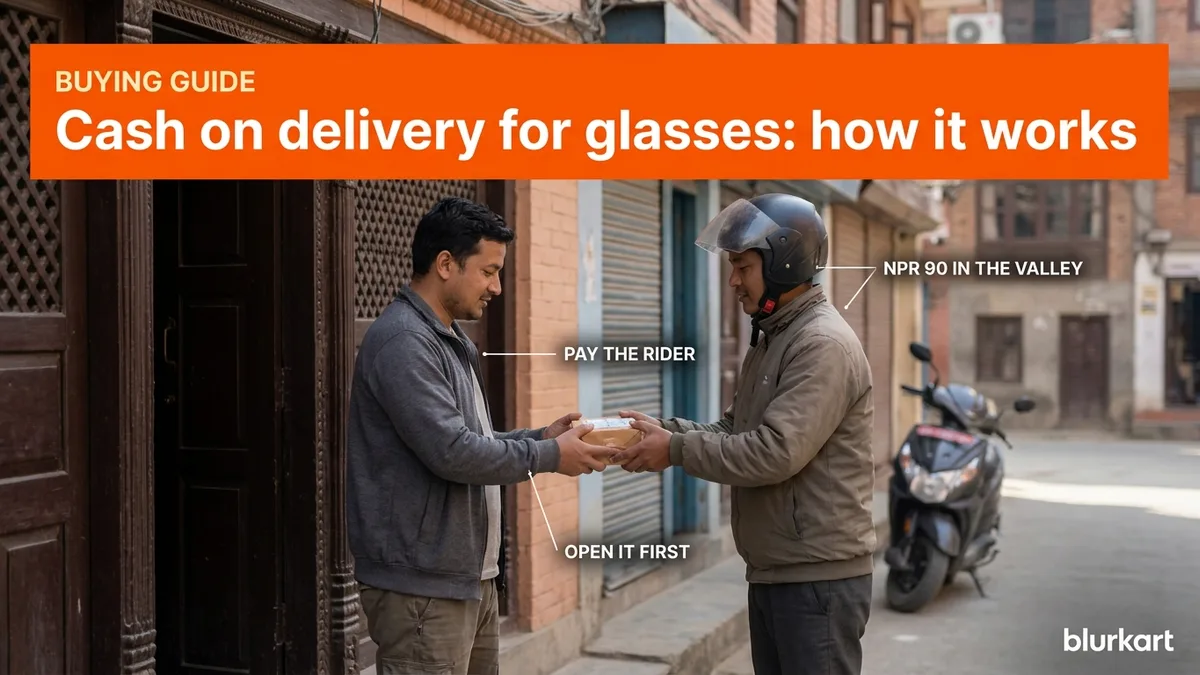
Cash on delivery for glasses: how it works
You pay the rider, not the website. What you can inspect before handing over money, and why prescription pairs work slightly differently.
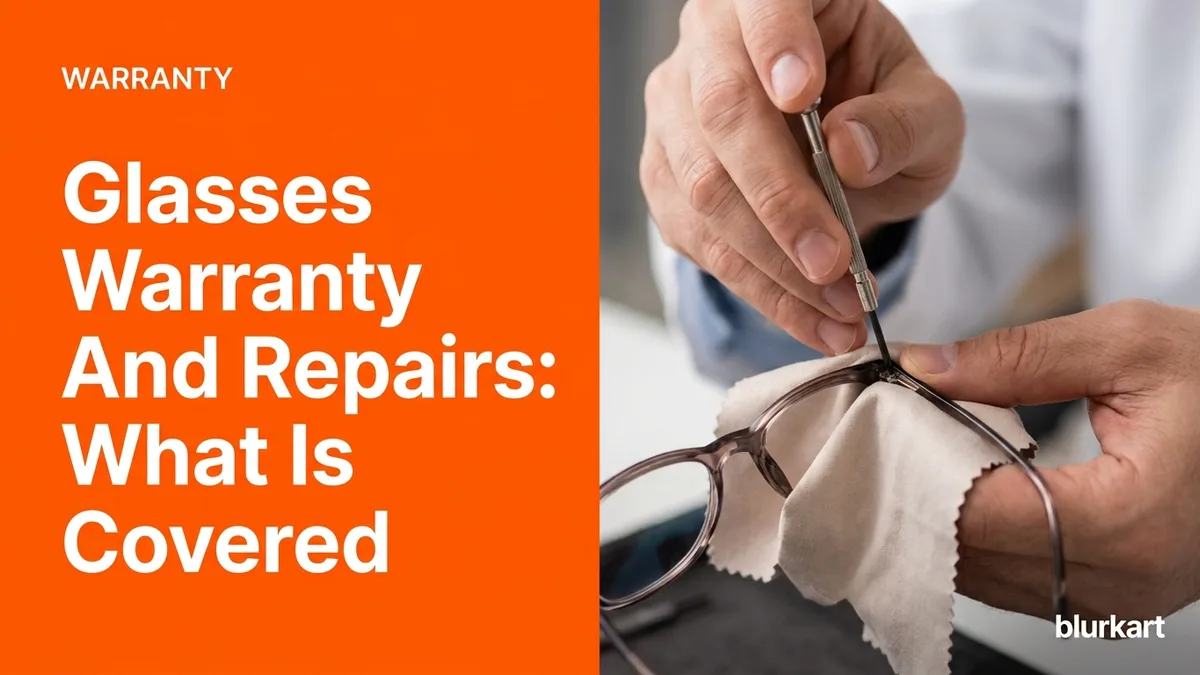
Glasses warranty and repairs: what is covered
A hinge that fails on its own is a defect. A hinge that fails after the frame was sat on is not. Where the line falls, and what we fix free either way.
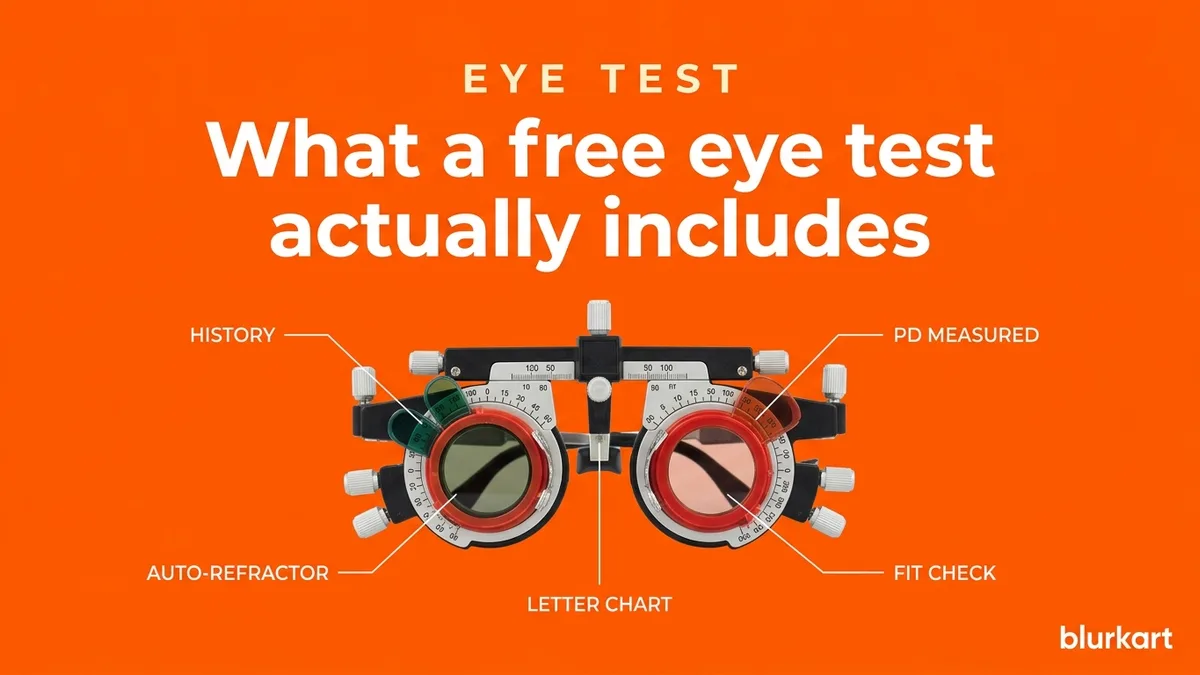
What a free eye test actually includes
Ten minutes, no fee, no obligation. Here is every step of the eye test, and the three things it will not do.

How long do glasses take to make in Nepal?
One to three working days covers most prescriptions. Strong powers, progressives and rimless frames take longer, and here is exactly why.
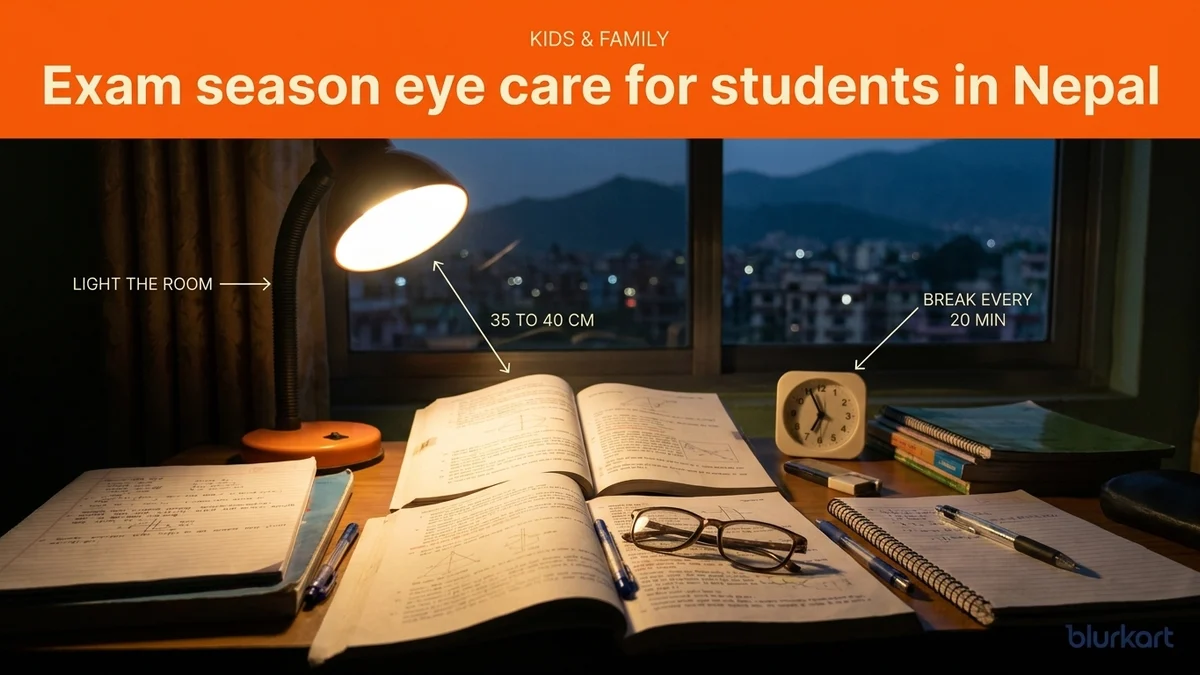
Exam season eye care for students in Nepal
Long study hours, bad desk lamps and a phone in the dark. What actually causes the headaches students get in exam months, the free fixes, and the sign that means a test rather than a break.

Reading glasses for phones after 40
Holding the phone further away is the first sign, and phone distance is not book distance. Why off-the-shelf readers often feel wrong, how to pick a power, and when a made-to-measure pair is worth it.
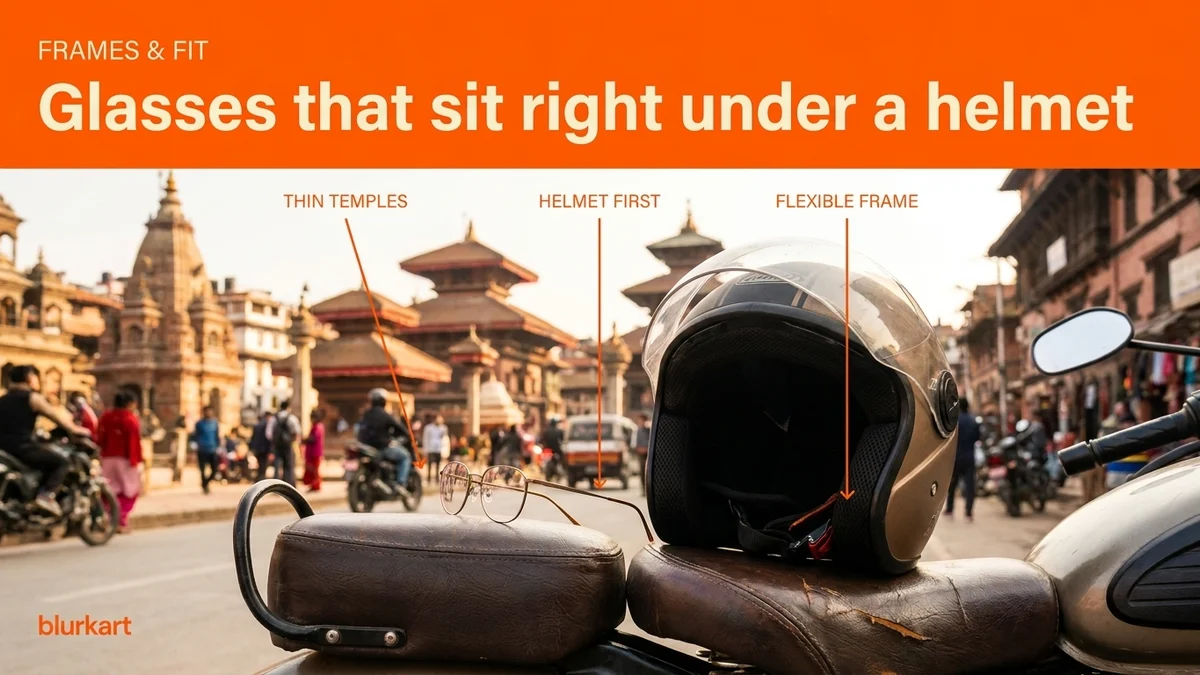
Glasses that sit right under a helmet
Thin temples, the right order of putting things on, and why your visor fogs more than your lenses. Written for everyone who rides a two-wheeler through Kathmandu with a prescription.
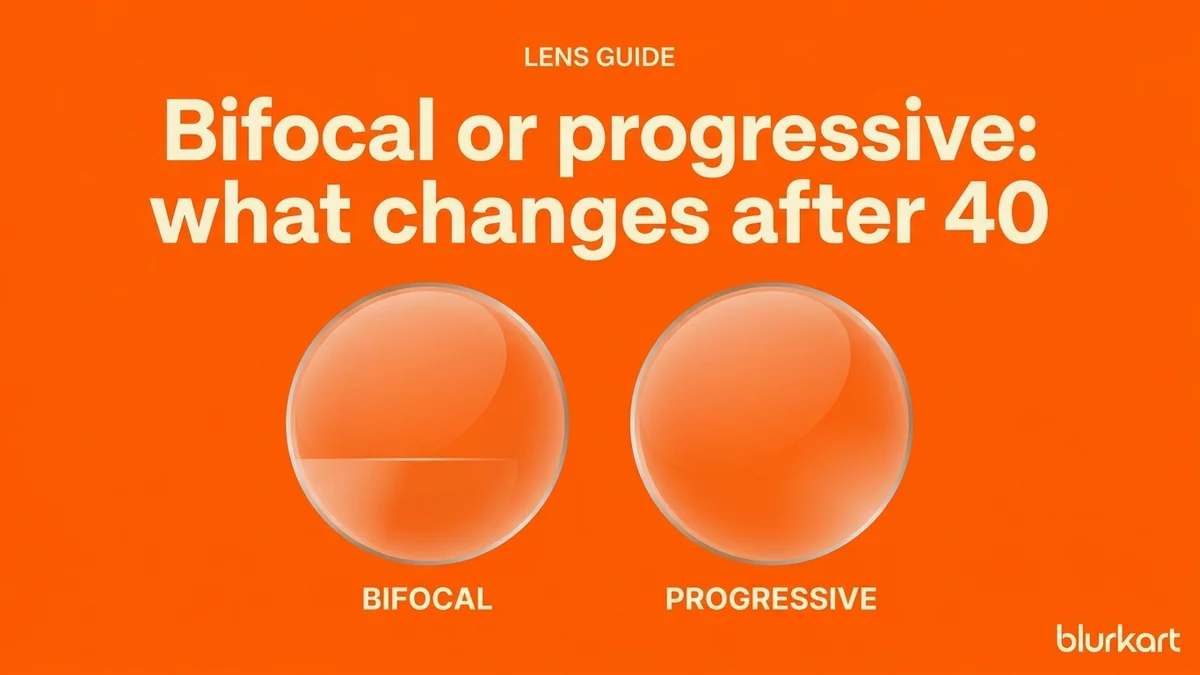
Bifocal or progressive: what changes after 40
Bifocals have a visible line and a sudden jump. Progressives have neither and cost a little more. Who should still choose a bifocal, what the adaptation week really feels like, and the prices.
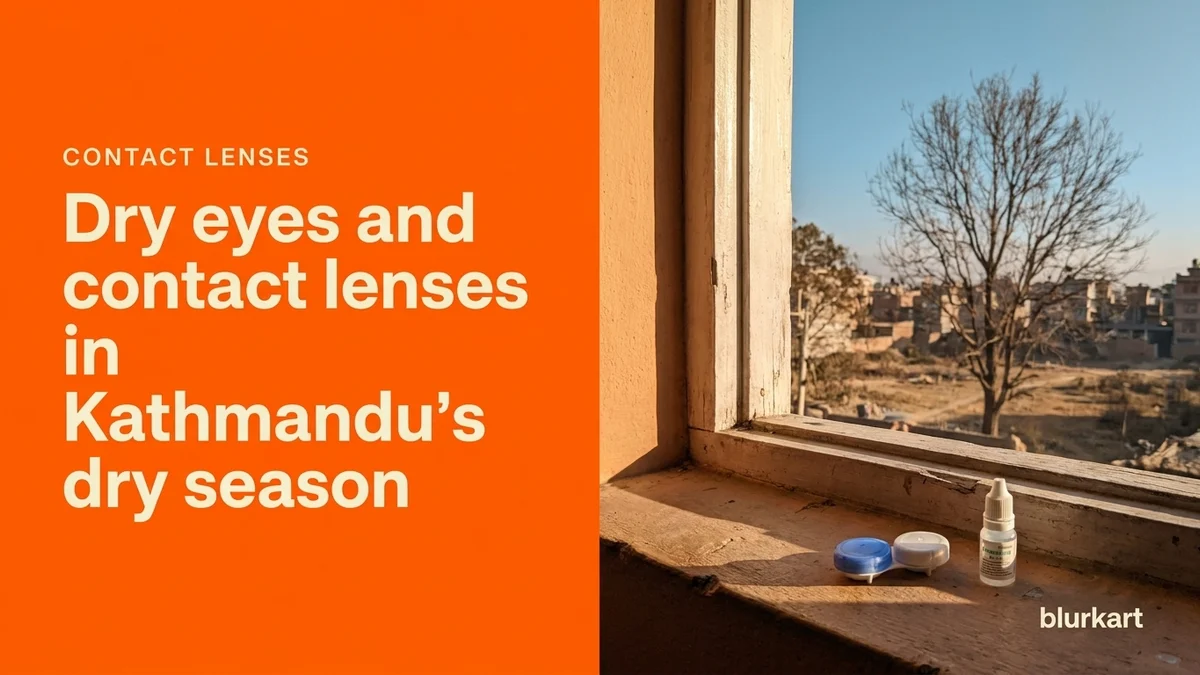
Dry eyes and contact lenses in Kathmandu's dry season
From November to March the Valley air dries out and lenses that felt fine in August start to sting by 3 pm. Why it happens, which lens materials hold water better, and the habits that add hours back.

Glasses for developers: what actually helps after 10 hours of code
Written for the Kathmandu tech crowd. Which lens choices genuinely reduce fatigue over a long coding day, which are marketing, and the three free changes that beat any lens.

Why glasses slide down, and the bridge that fixes it
If you push your glasses up a hundred times a day, the frame is not cheap, it is the wrong bridge for your nose. Adjustable pads, keyhole bridges and Asian fit explained, with what to ask for in the shop.
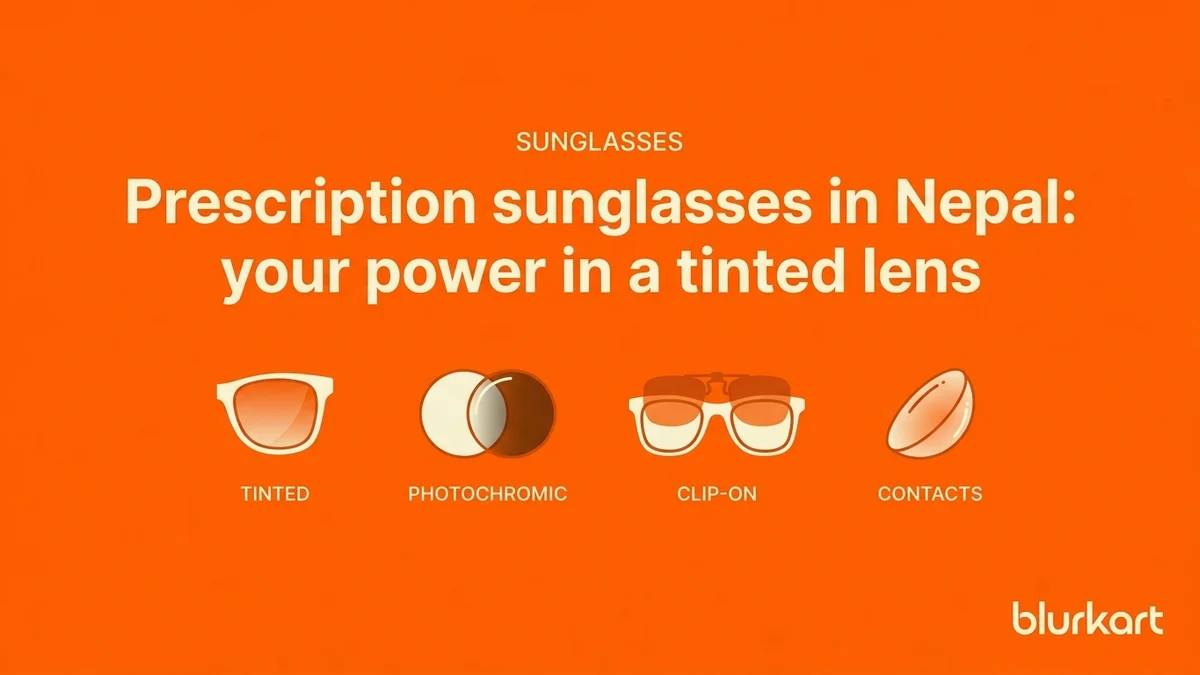
Prescription sunglasses in Nepal: your power in a tinted lens
Four ways to see clearly in the sun with a prescription: tinted lenses, photochromic, clip-ons or contacts plus cheap shades. What each costs, which powers work in a wraparound, and what we would pick.
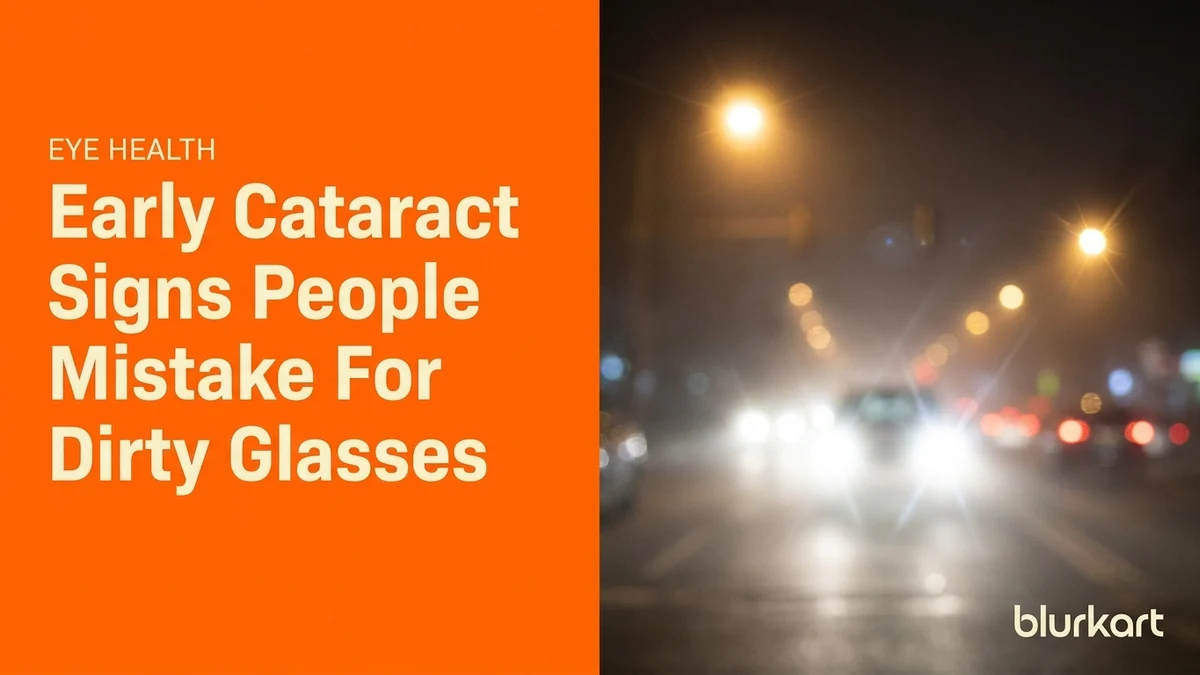
Early cataract signs people mistake for dirty glasses
Cleaning your glasses twice an hour and still seeing haze. Headlights growing halos. Colours quietly fading. Four early cataract signs that get blamed on lenses, and when new glasses stop being the answer.
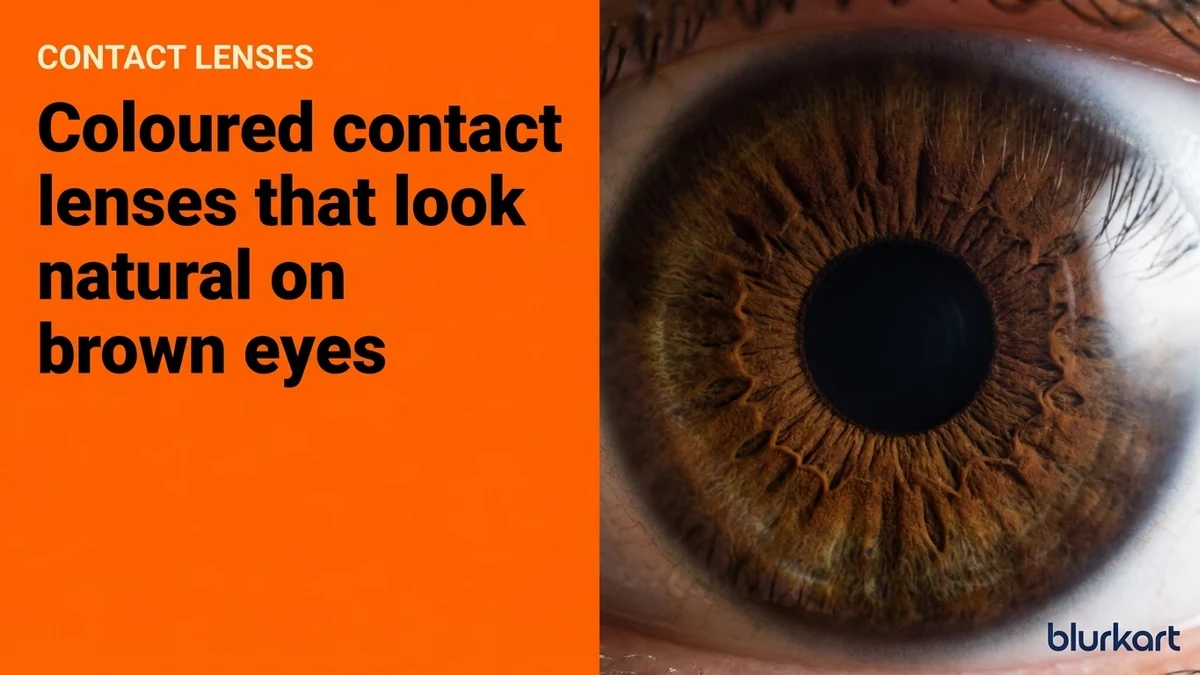
Coloured contact lenses that still look natural on brown eyes
On dark brown eyes, enhancement tints do nothing and opaque lenses can look like contact lenses. The shades that read as natural, the ones that do not, and the safety rule that matters more than the colour.
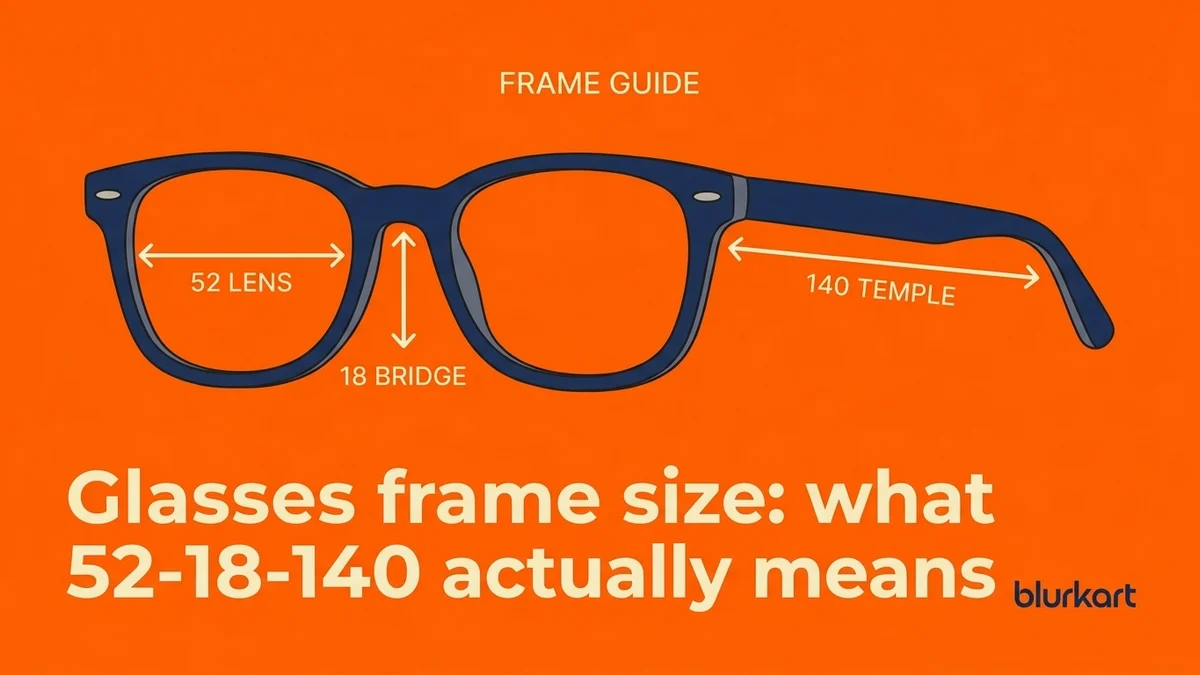
Glasses frame size: what 52-18-140 actually means
Three numbers inside the temple arm tell you lens width, bridge and temple length in millimetres. Read them once and you can order any frame online without guessing. Here is how to use them.
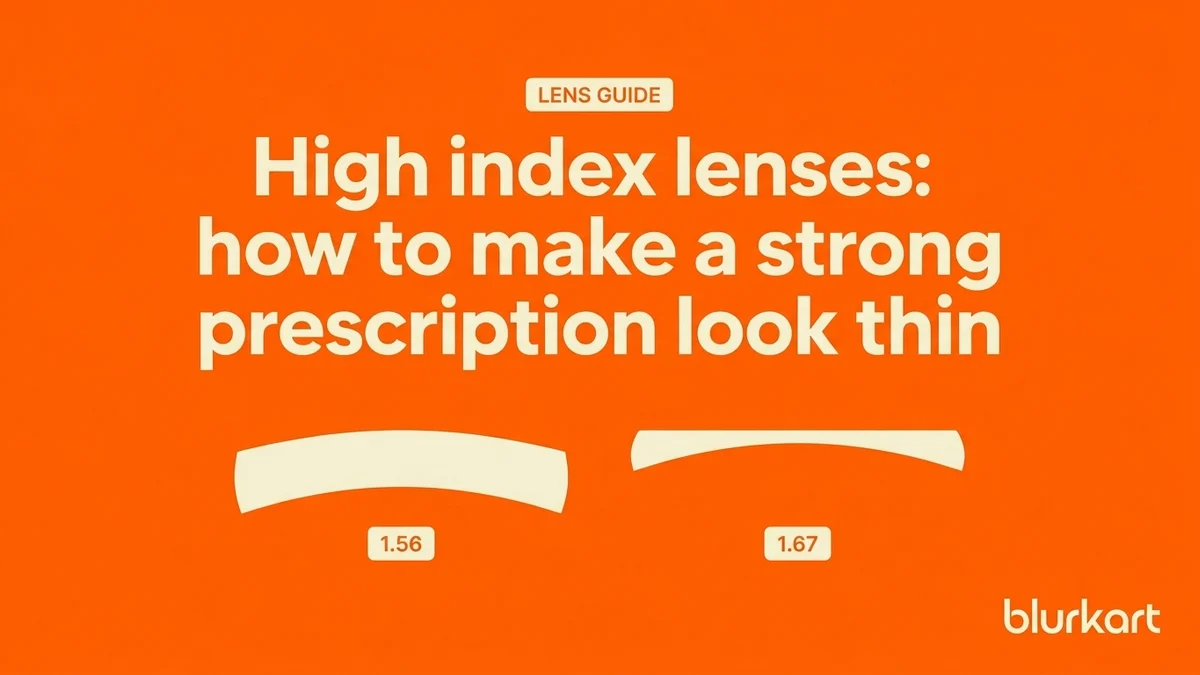
High index lenses: how to make a strong prescription look thin
1.56, 1.61, 1.67, 1.74. What each index actually does to edge thickness at minus 4 and minus 7, when the upgrade is worth paying for, and the frame choice that saves you more than the lens does.
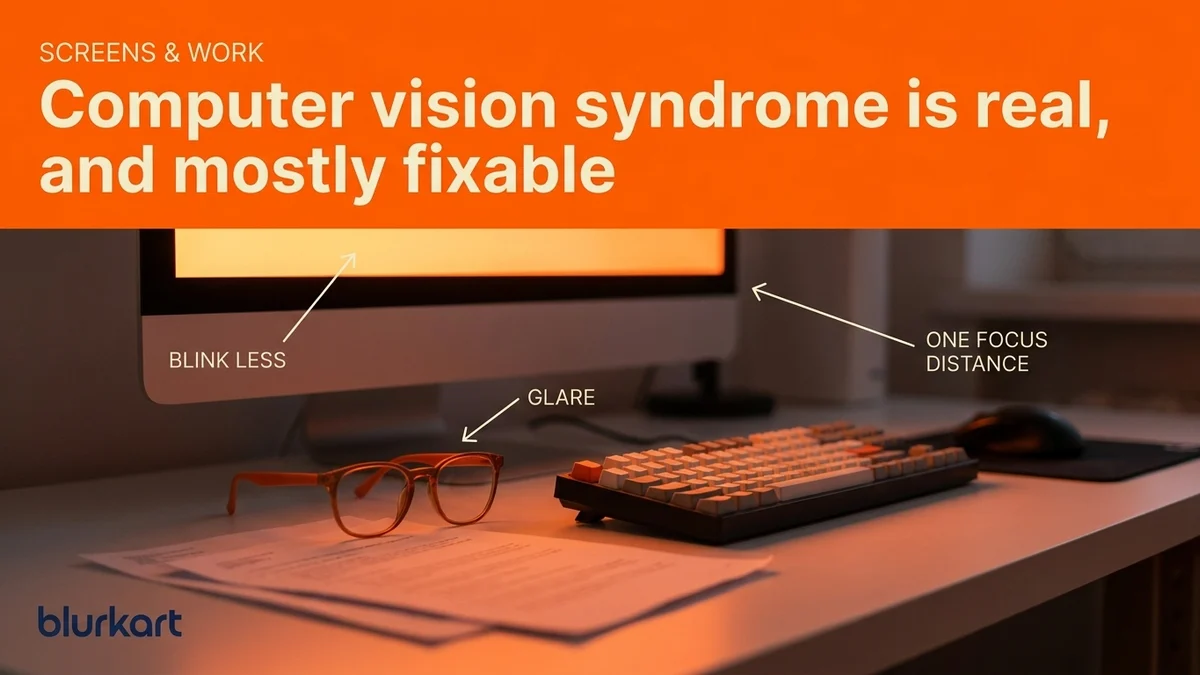
Computer vision syndrome is real, and mostly fixable
Sore eyes, blurred text at 4 pm, headaches and a stiff neck after a screen day have a name and a set of fixes. Most cost nothing. Here is what actually causes each symptom and what to change first.
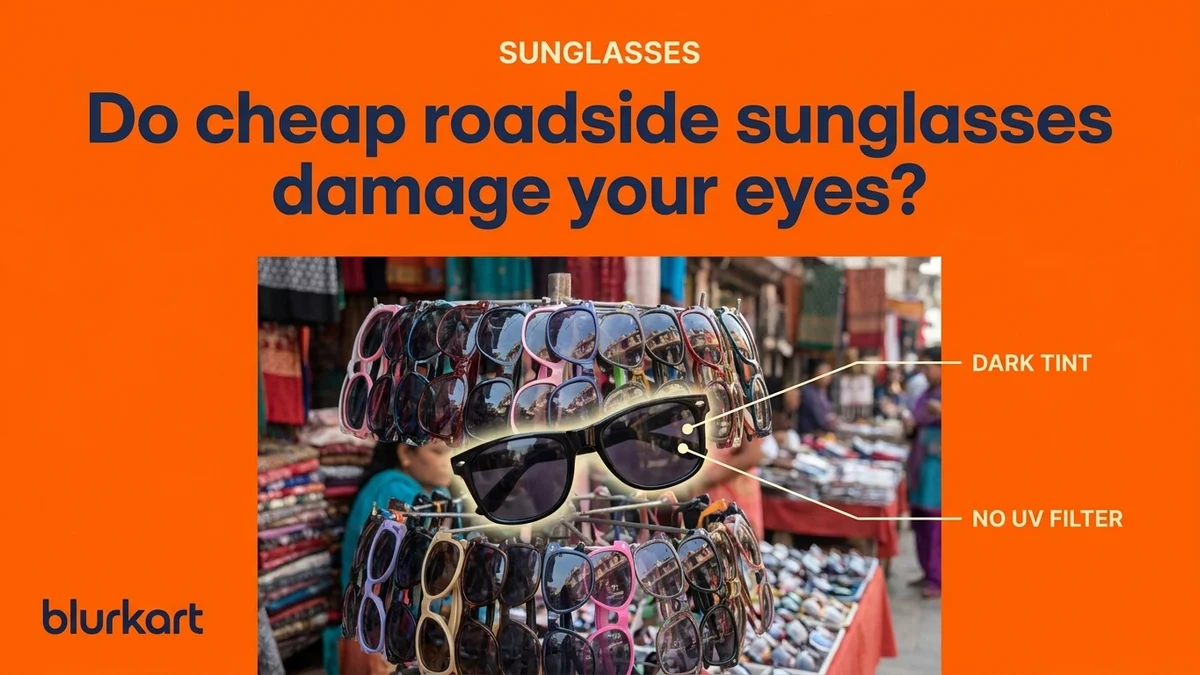
Do cheap roadside sunglasses damage your eyes?
A dark lens with no UV filter is worse for your eyes than no sunglasses at all, because the tint opens your pupil and lets more ultraviolet in. What NPR 300 buys, and how to check any pair in ten seconds.
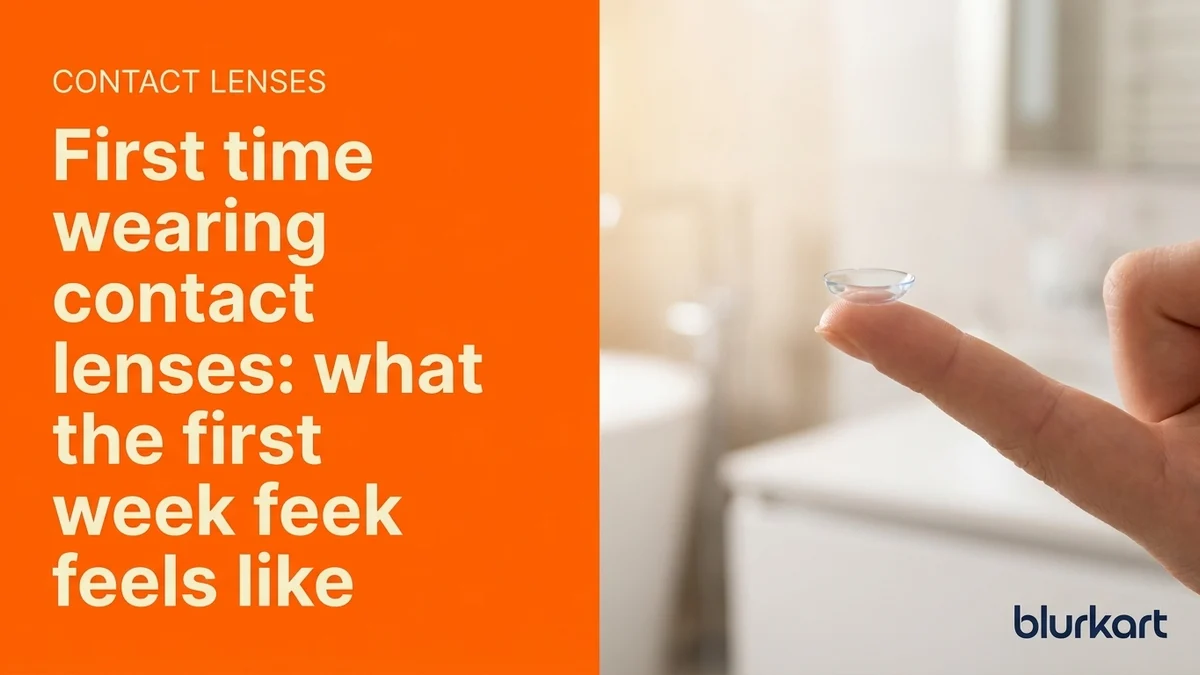
First time wearing contact lenses: what the first week feels like
Day one takes twenty minutes and feels strange. By day five most people insert a lens in under a minute. Here is the honest hour-by-hour of a first week, and the three mistakes that send beginners back to glasses.
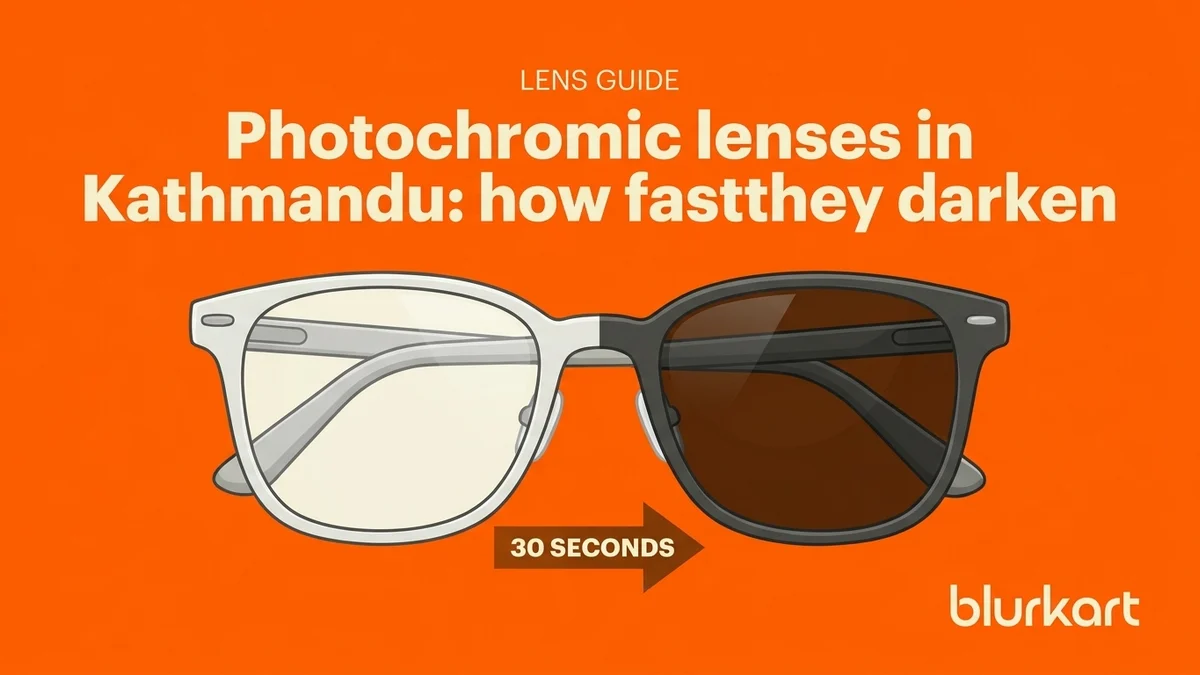
Photochromic lenses in Kathmandu: how fast they darken
Photochromic lenses darken in about 30 seconds outdoors and take two to five minutes to clear indoors. They barely react behind a windscreen, and they slow down in cold weather. What that means in the Valley.
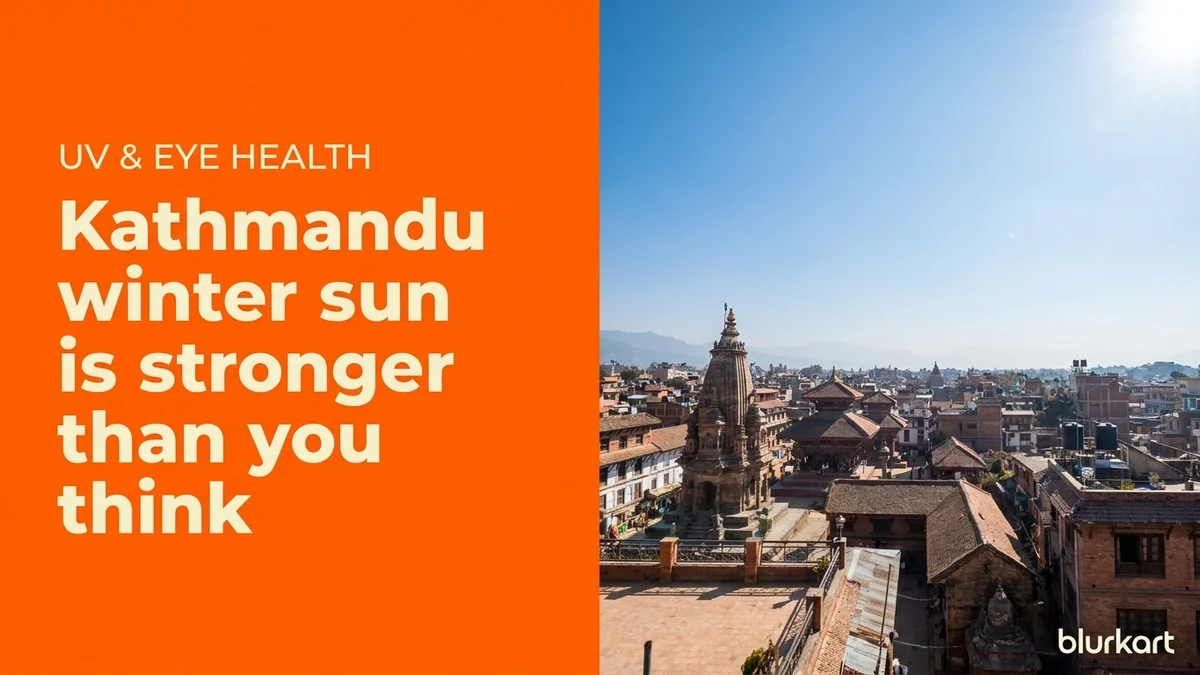
Kathmandu winter sun is stronger than you think
Clear December skies, 1,400 metres of altitude and a low sun straight in your eyes. Why the Valley's winter is a UV problem for eyes, what the UV index means, and a habit list that costs nothing.

Acetate vs metal vs TR90 frames: what lasts in Nepal
Sweat, monsoon humidity and motorbike vibration are hard on frames. Which material corrodes, which warps, which bends back, and which one we would buy for a daily Kathmandu commute.
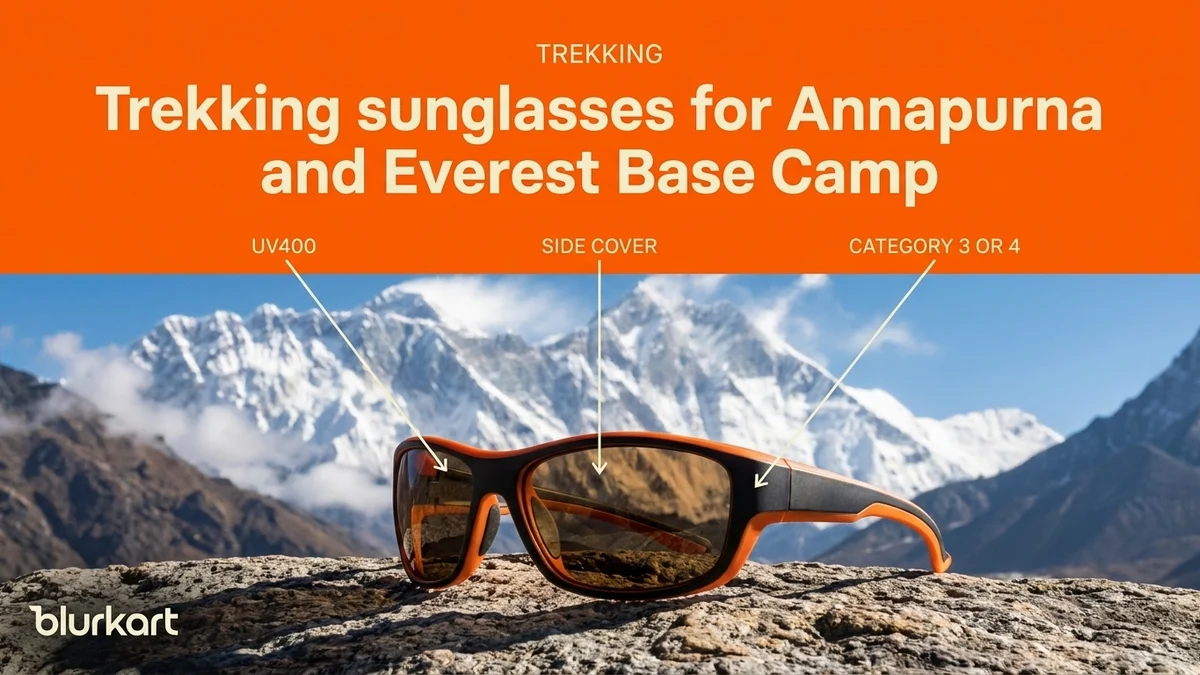
Trekking sunglasses for Annapurna and Everest Base Camp
Above 4,000 metres the sun is stronger, the snow doubles it, and snow blindness is a real injury. What category 3 and 4 lenses mean, why side coverage matters, and what to carry as a spare.
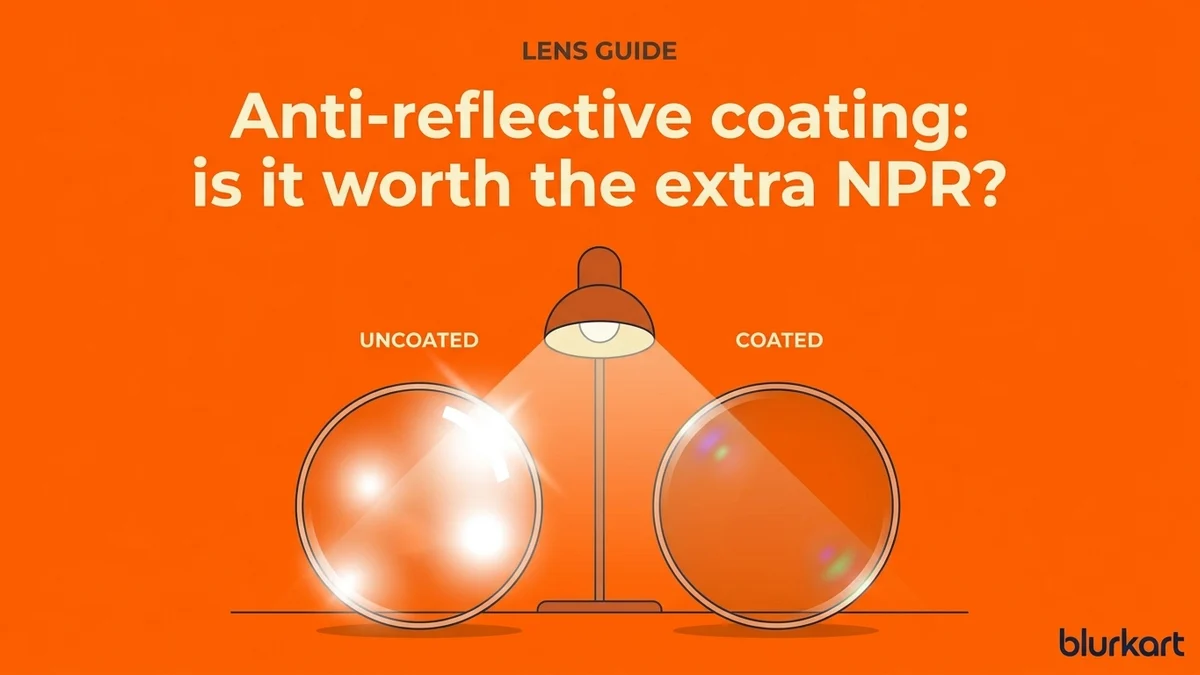
Anti-reflective coating: is it worth the extra NPR?
Night driving on the Ring Road, video calls, and photos with flash. What an anti-reflective coating changes, what it costs at Blurkart, and the one case where you can skip it.