
Eyewear Insights & Eye Care
Expert guides on lens care, frame trends, UV protection, and everything you need to see - and look - your best.
 Latest
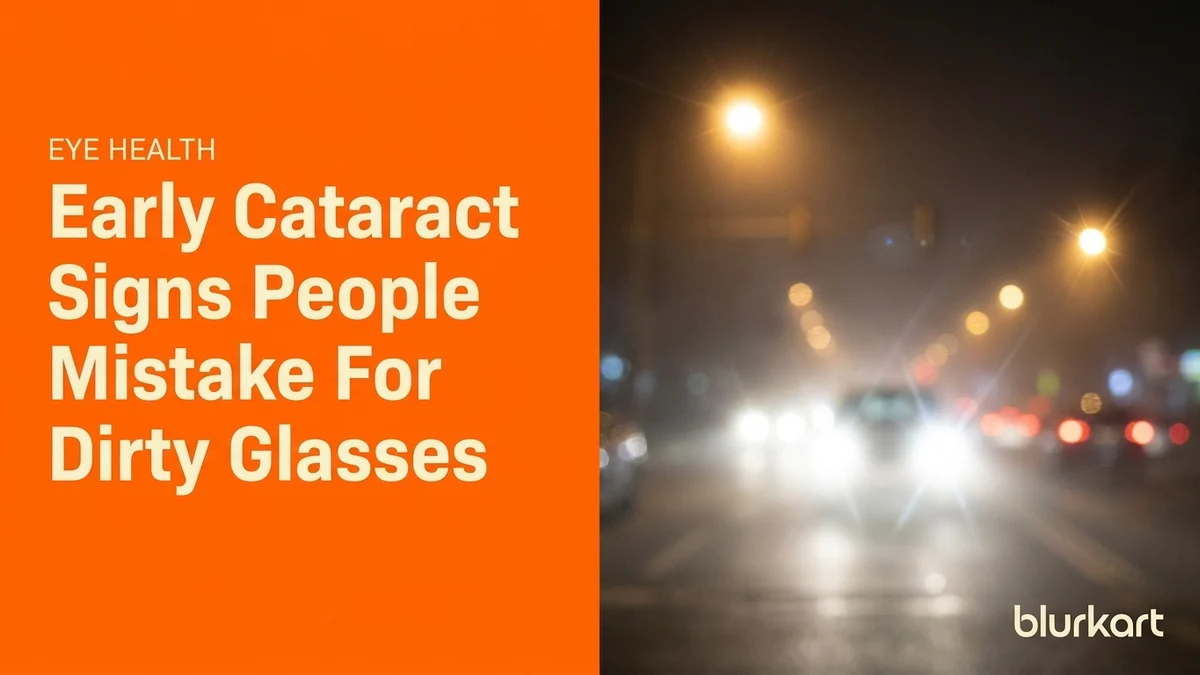
Early cataract signs people mistake for dirty glasses
Cleaning your glasses twice an hour and still seeing haze. Headlights growing halos. Colours quietly fading. Four early cataract signs that get blamed on lenses, and when new glasses stop being the answer.
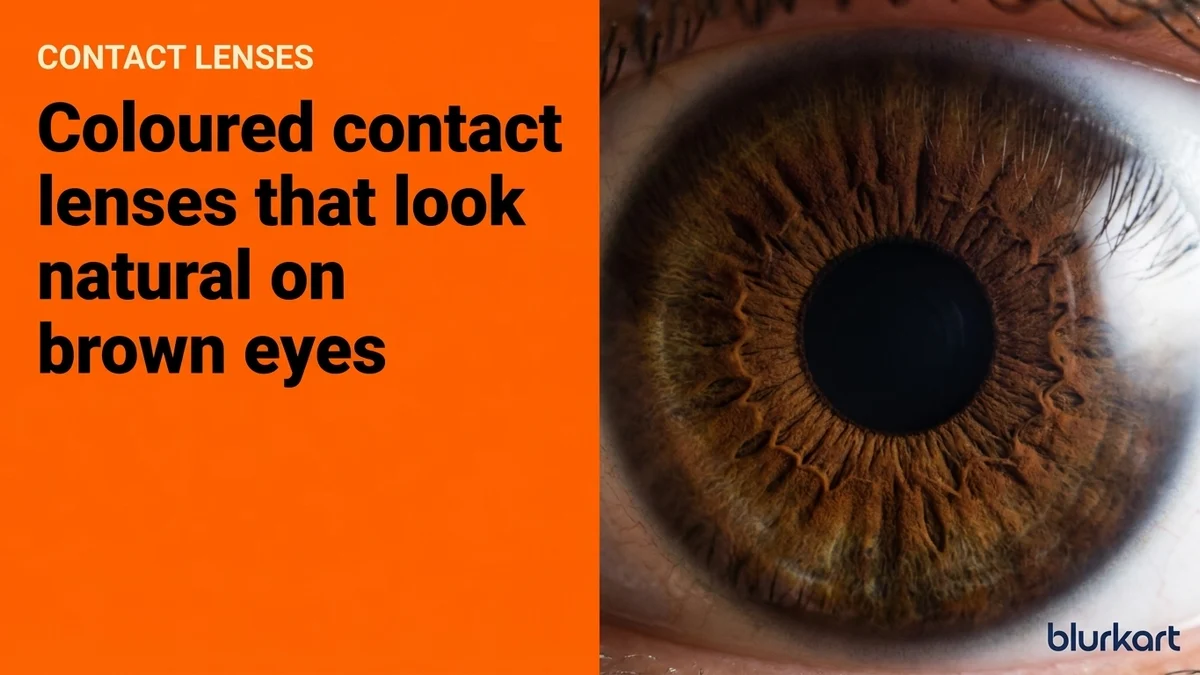
Coloured contact lenses that still look natural on brown eyes
On dark brown eyes, enhancement tints do nothing and opaque lenses can look like contact lenses. The shades that read as natural, the ones that do not, and the safety rule that matters more than the colour.
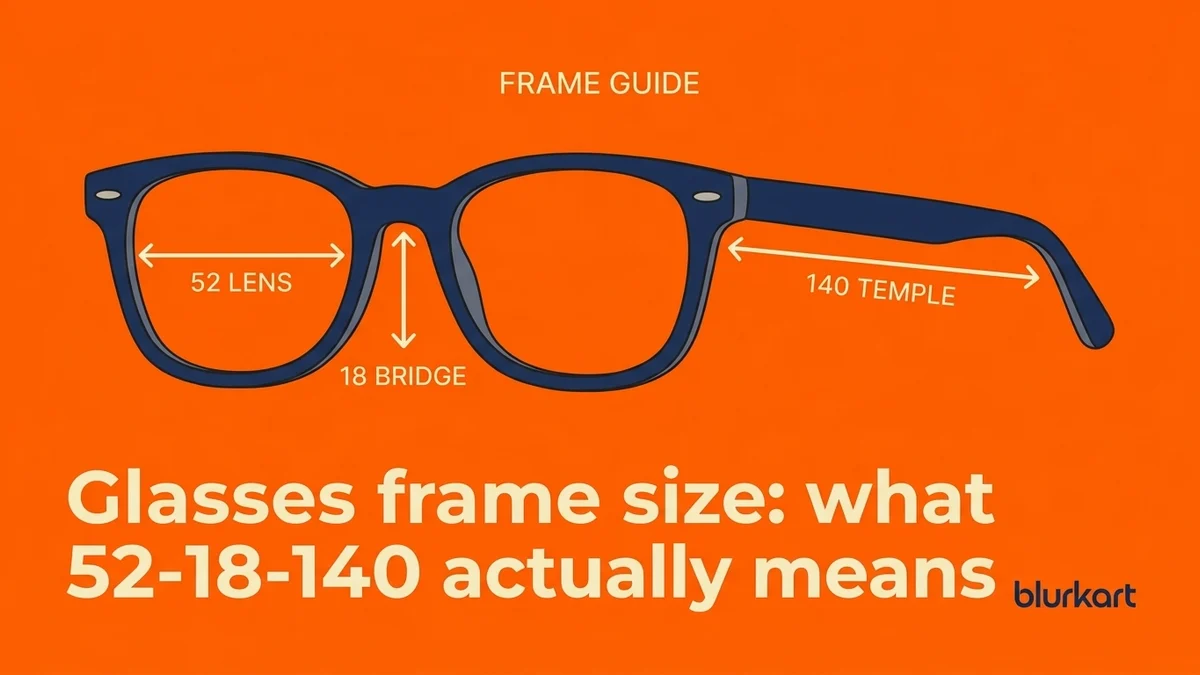
Glasses frame size: what 52-18-140 actually means
Three numbers inside the temple arm tell you lens width, bridge and temple length in millimetres. Read them once and you can order any frame online without guessing. Here is how to use them.
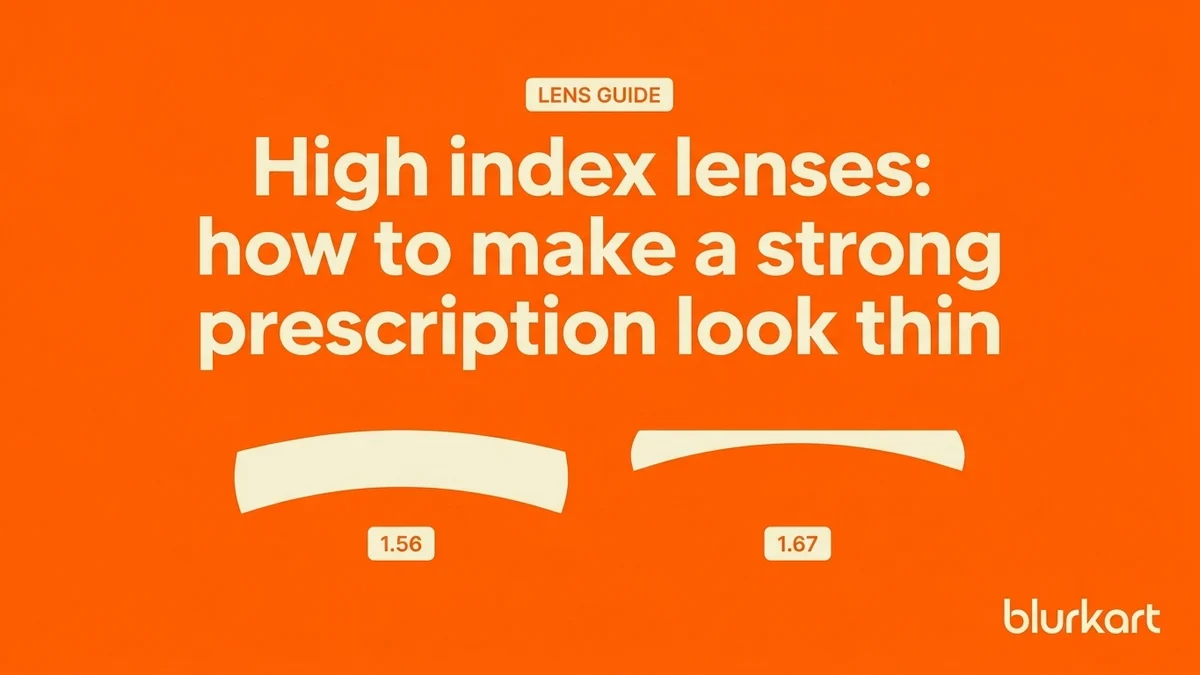
High index lenses: how to make a strong prescription look thin
1.56, 1.61, 1.67, 1.74. What each index actually does to edge thickness at minus 4 and minus 7, when the upgrade is worth paying for, and the frame choice that saves you more than the lens does.
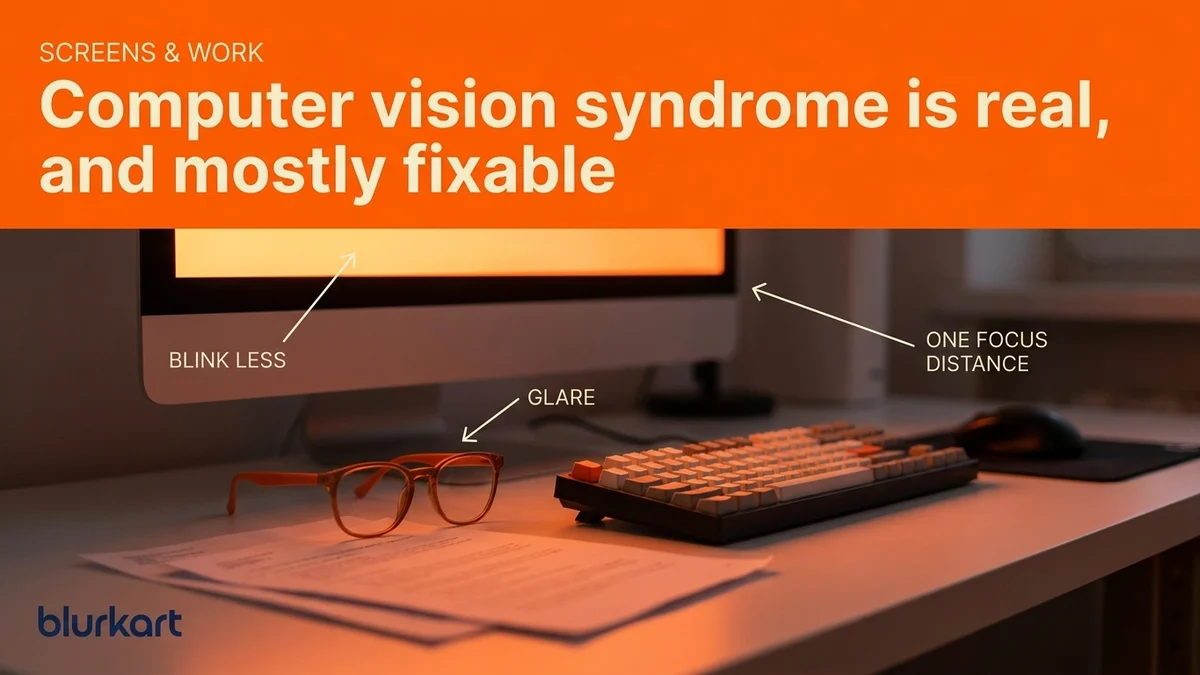
Computer vision syndrome is real, and mostly fixable
Sore eyes, blurred text at 4 pm, headaches and a stiff neck after a screen day have a name and a set of fixes. Most cost nothing. Here is what actually causes each symptom and what to change first.
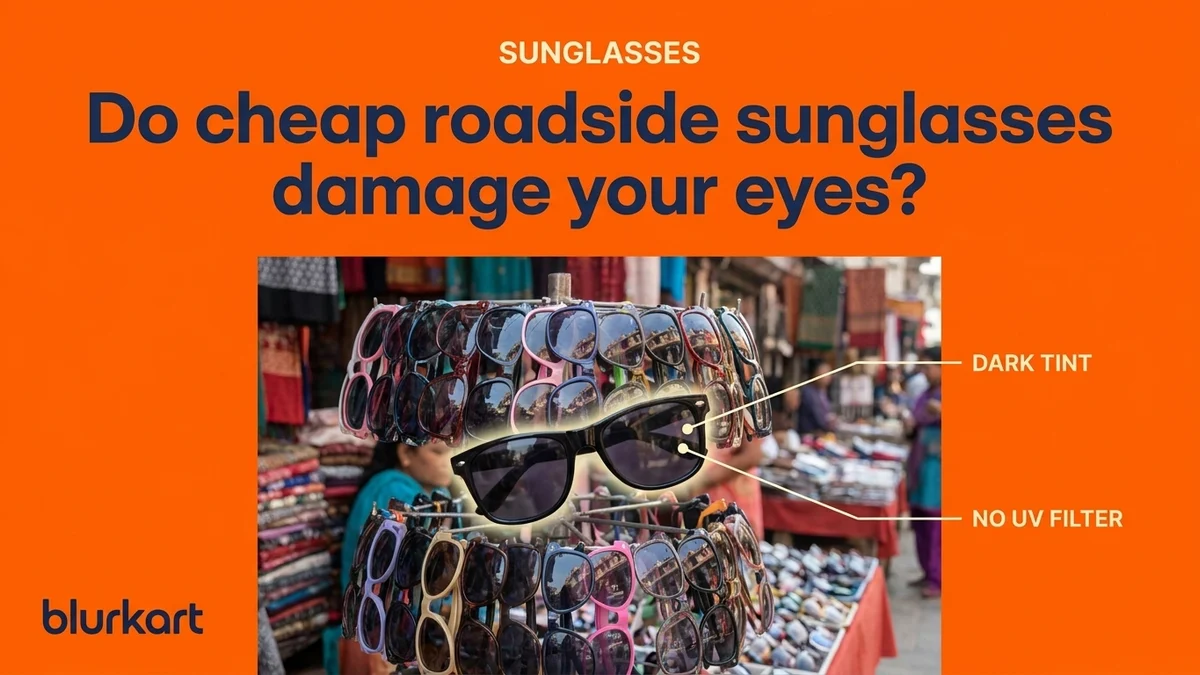
Do cheap roadside sunglasses damage your eyes?
A dark lens with no UV filter is worse for your eyes than no sunglasses at all, because the tint opens your pupil and lets more ultraviolet in. What NPR 300 buys, and how to check any pair in ten seconds.
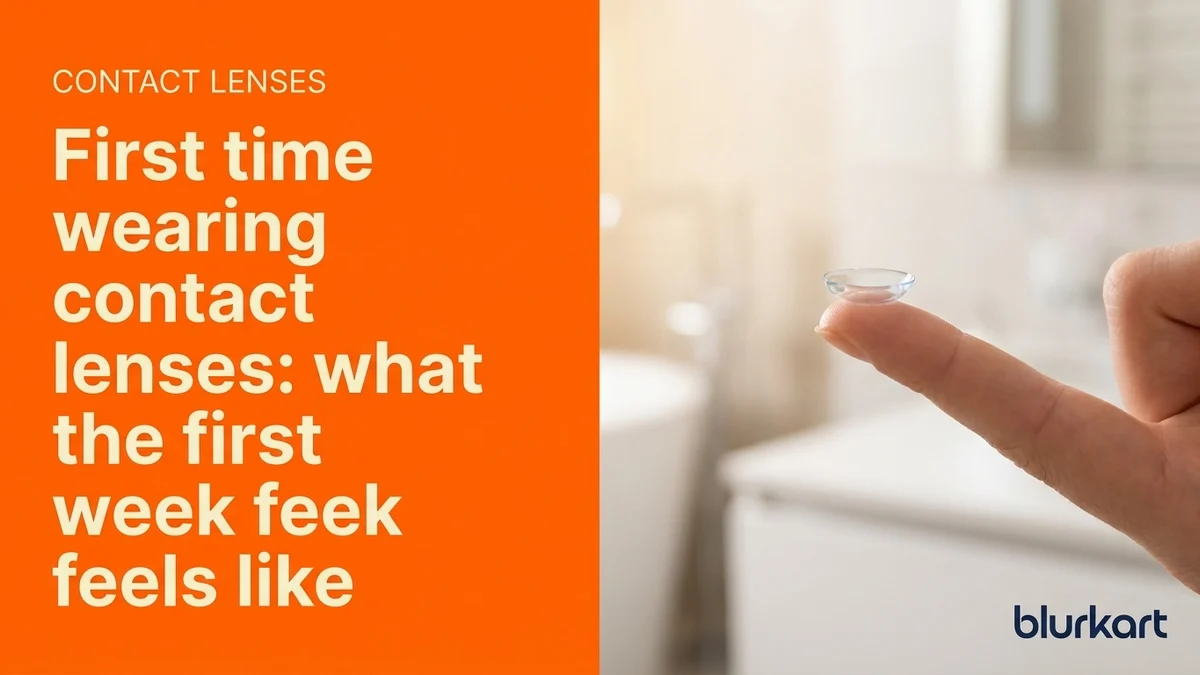
First time wearing contact lenses: what the first week feels like
Day one takes twenty minutes and feels strange. By day five most people insert a lens in under a minute. Here is the honest hour-by-hour of a first week, and the three mistakes that send beginners back to glasses.
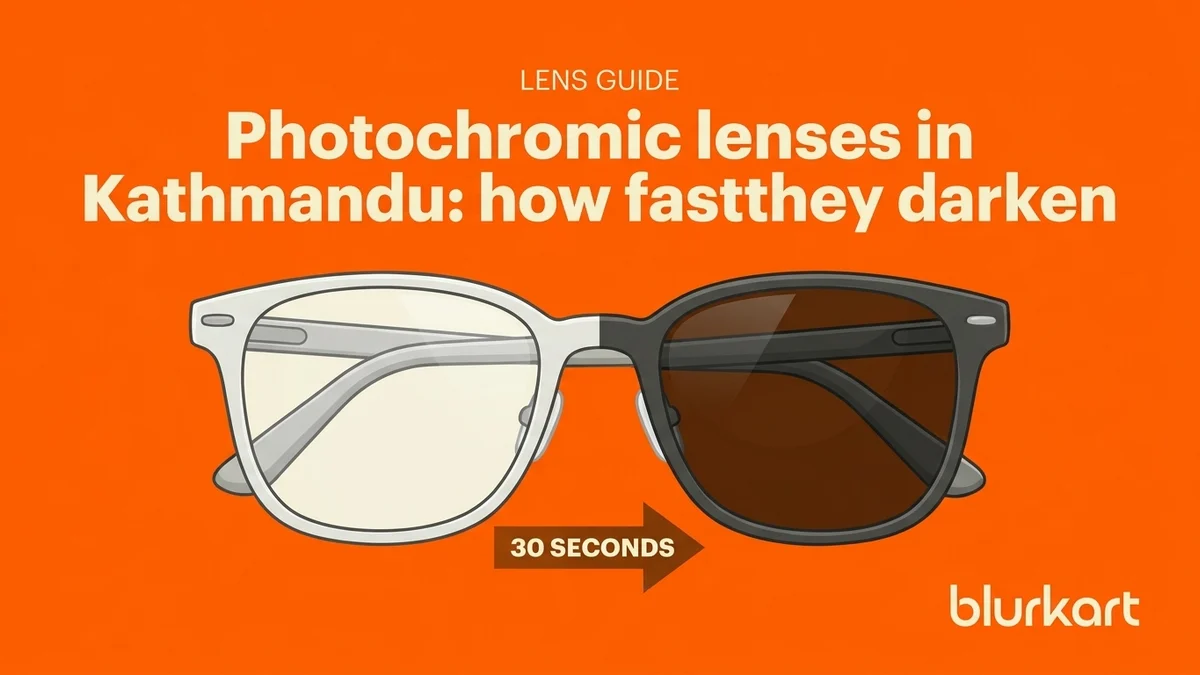
Photochromic lenses in Kathmandu: how fast they darken
Photochromic lenses darken in about 30 seconds outdoors and take two to five minutes to clear indoors. They barely react behind a windscreen, and they slow down in cold weather. What that means in the Valley.
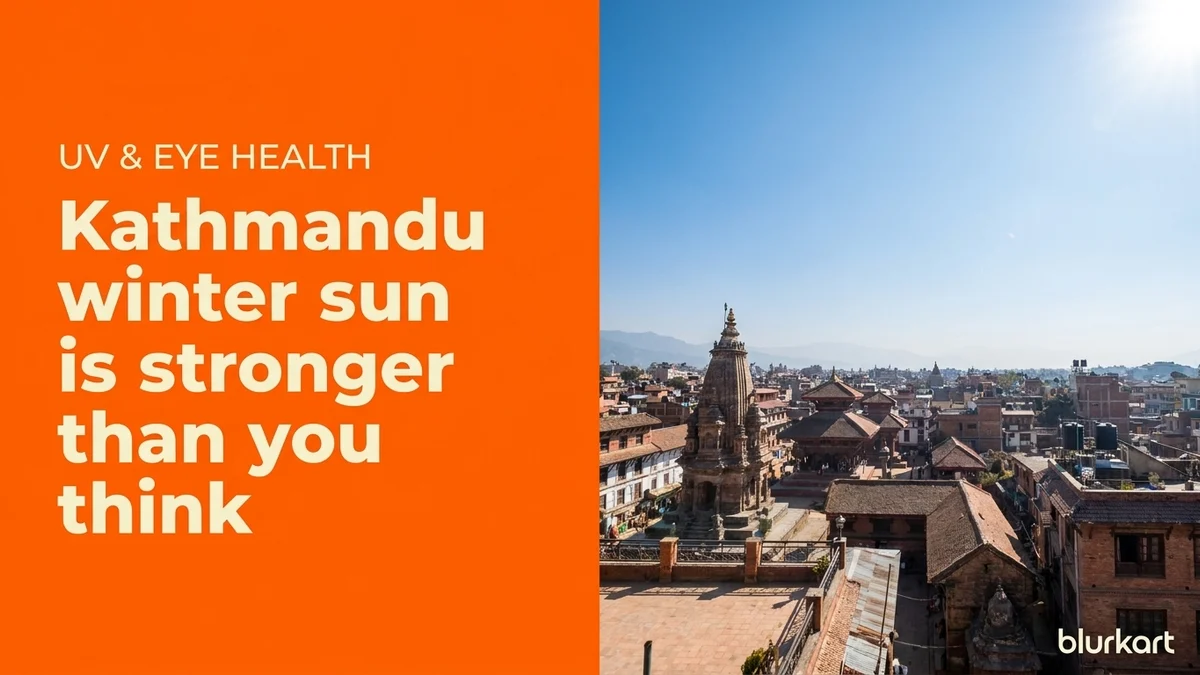
Kathmandu winter sun is stronger than you think
Clear December skies, 1,400 metres of altitude and a low sun straight in your eyes. Why the Valley's winter is a UV problem for eyes, what the UV index means, and a habit list that costs nothing.
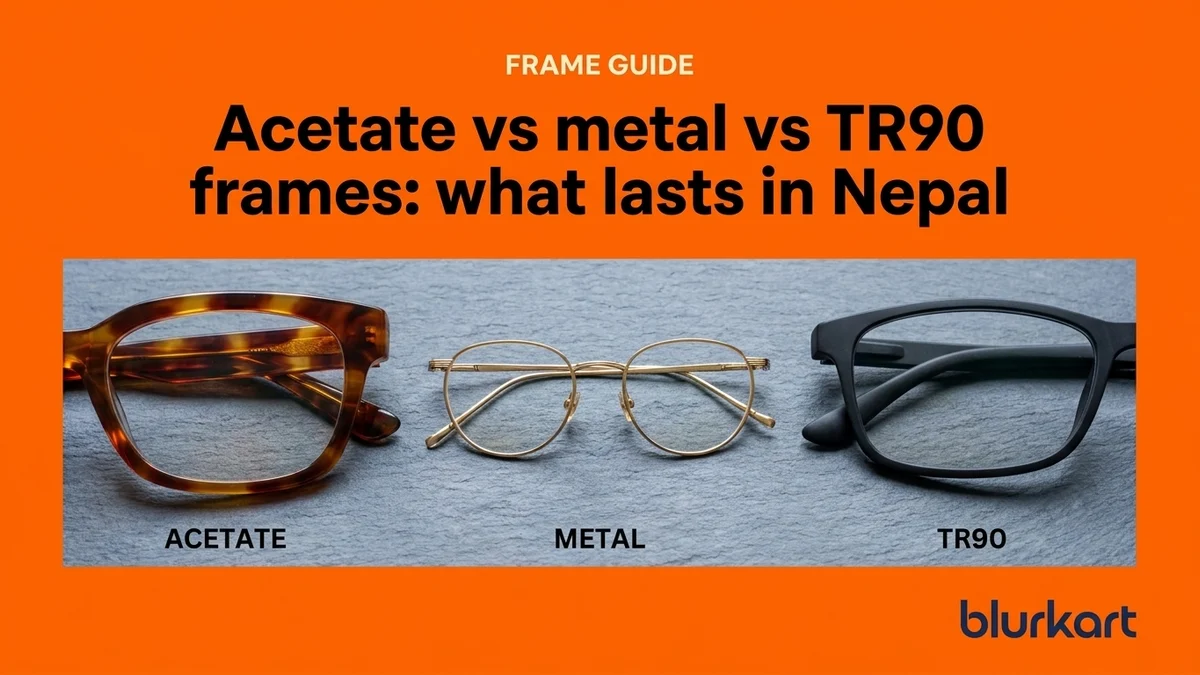
Acetate vs metal vs TR90 frames: what lasts in Nepal
Sweat, monsoon humidity and motorbike vibration are hard on frames. Which material corrodes, which warps, which bends back, and which one we would buy for a daily Kathmandu commute.
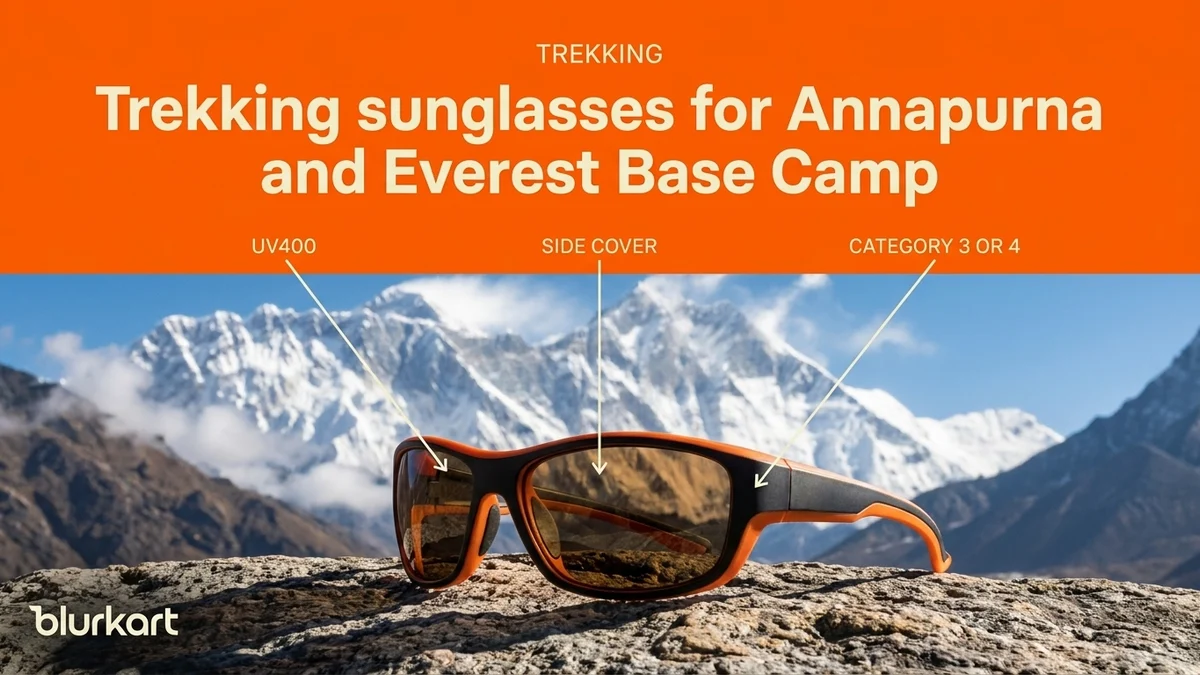
Trekking sunglasses for Annapurna and Everest Base Camp
Above 4,000 metres the sun is stronger, the snow doubles it, and snow blindness is a real injury. What category 3 and 4 lenses mean, why side coverage matters, and what to carry as a spare.
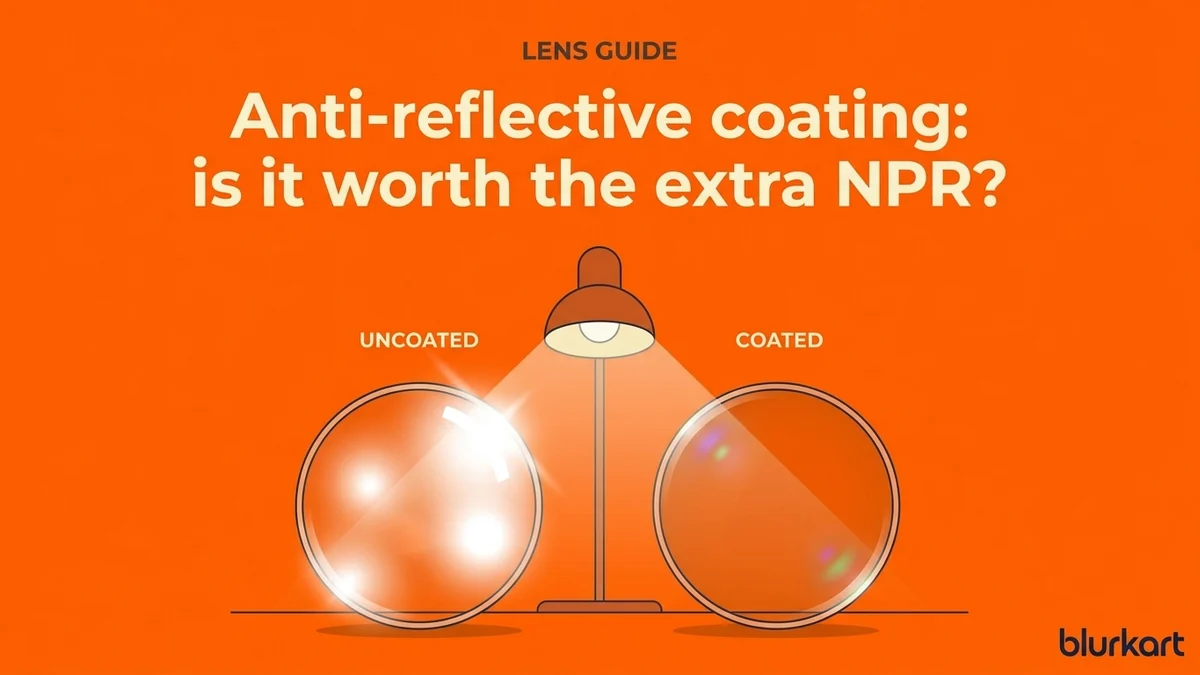
Anti-reflective coating: is it worth the extra NPR?
Night driving on the Ring Road, video calls, and photos with flash. What an anti-reflective coating changes, what it costs at Blurkart, and the one case where you can skip it.
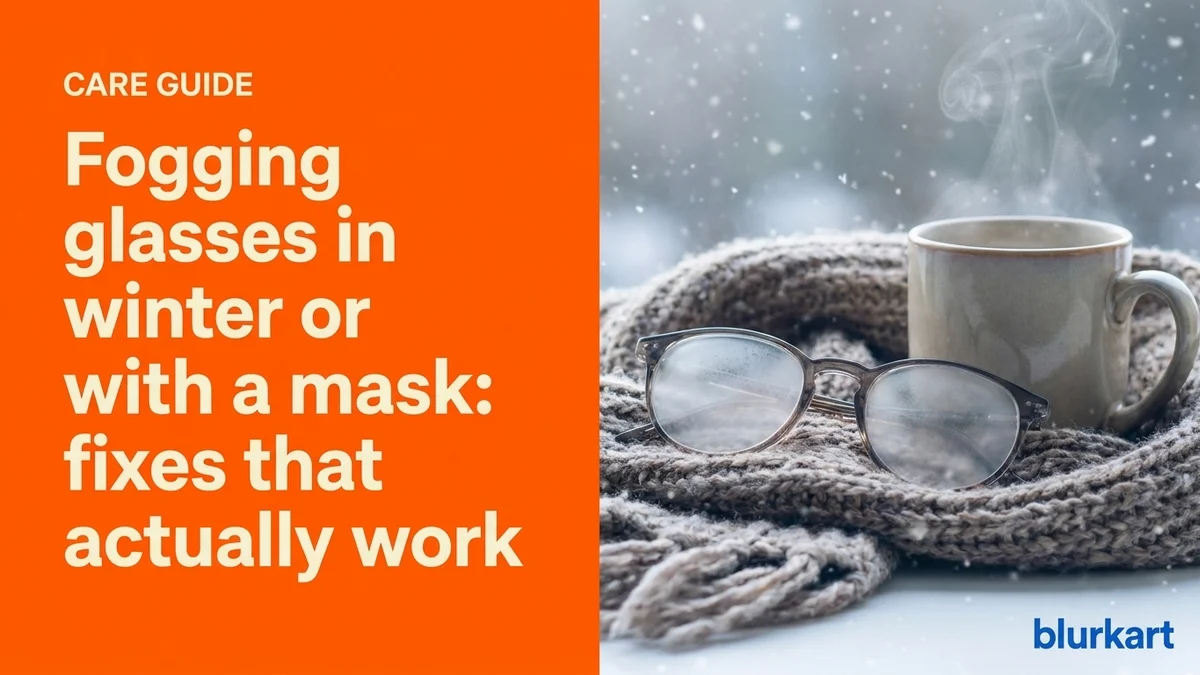
Fogging glasses in winter or with a mask: fixes that actually work
Fog is warm breath meeting a cold lens. Four fixes ranked by how well they work in a Kathmandu winter, from a better nose fit to anti-fog spray to a coating that solves it for good.

Buying glasses online in Nepal: how to get the size right
Three numbers on the temple of your old glasses tell you almost everything. How to read them, what to do if you have no old pair, and how ordering, lens fitting and NPR 90 delivery work at Blurkart.
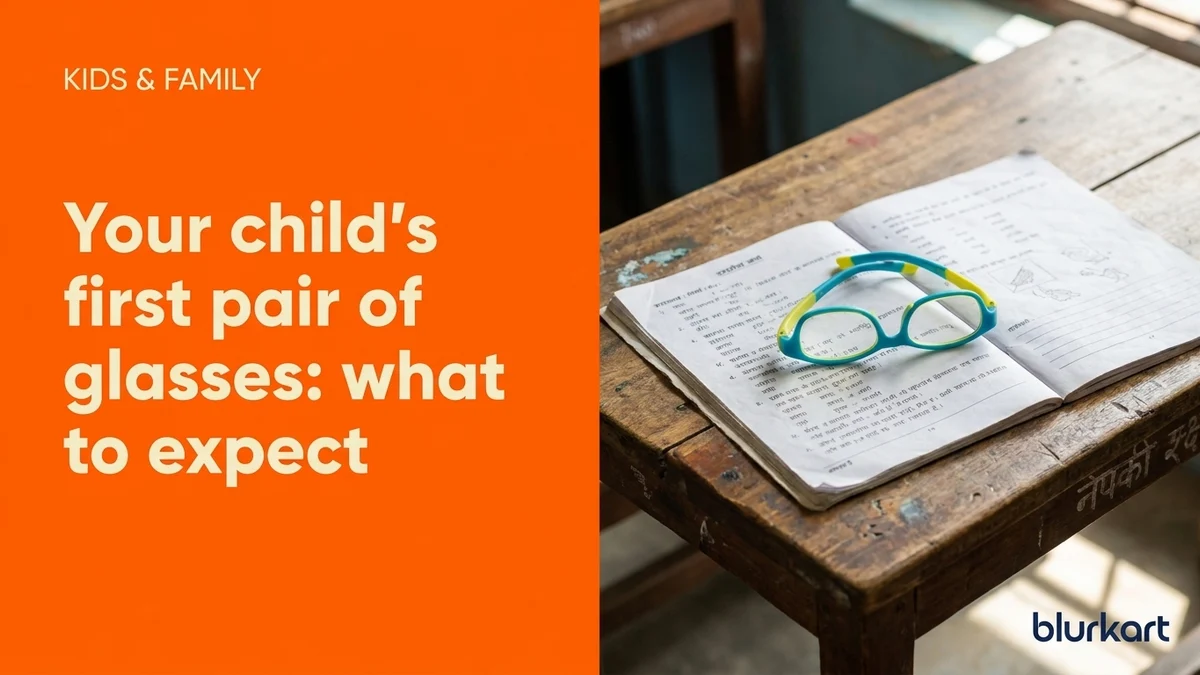
Your child's first pair of glasses: what to expect
What a child's eye test looks like, why the drops matter, which frames survive a school day, and how to get a six-year-old to actually keep them on.
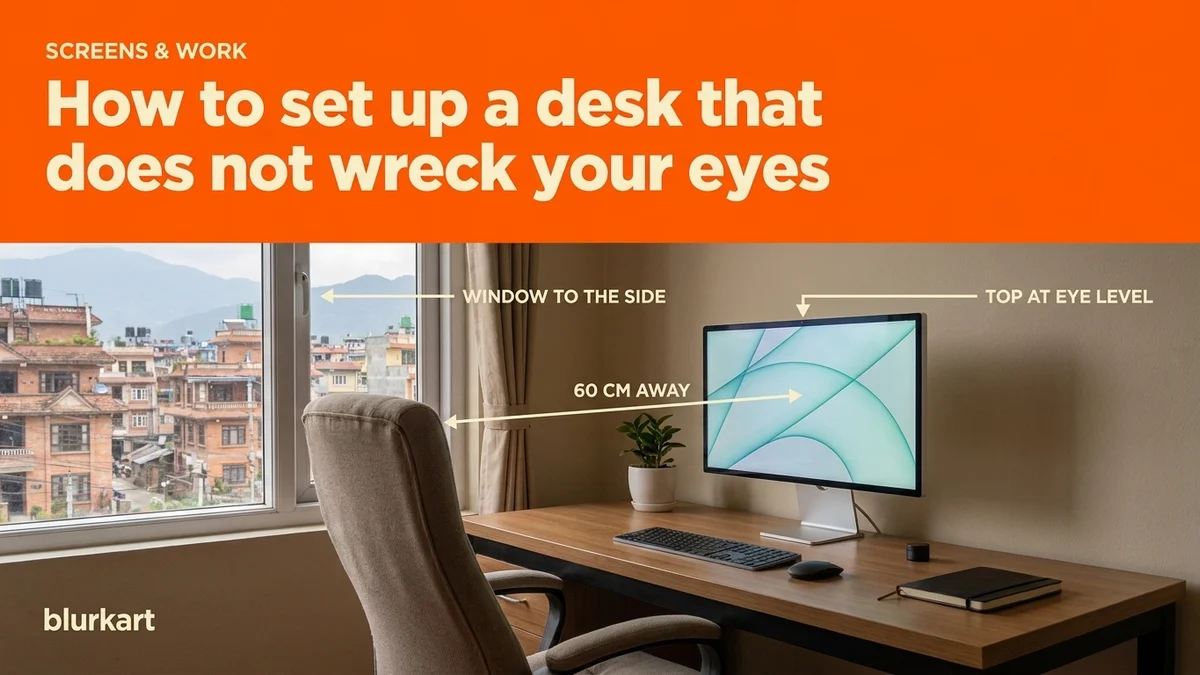
Desk setup for eye strain: six fixes that cost nothing
Monitor at 60 cm, top edge at eye level, lamp behind the screen not beside it. Six adjustments for a Kathmandu home office that stop the 4 pm eye ache, none of which cost money.
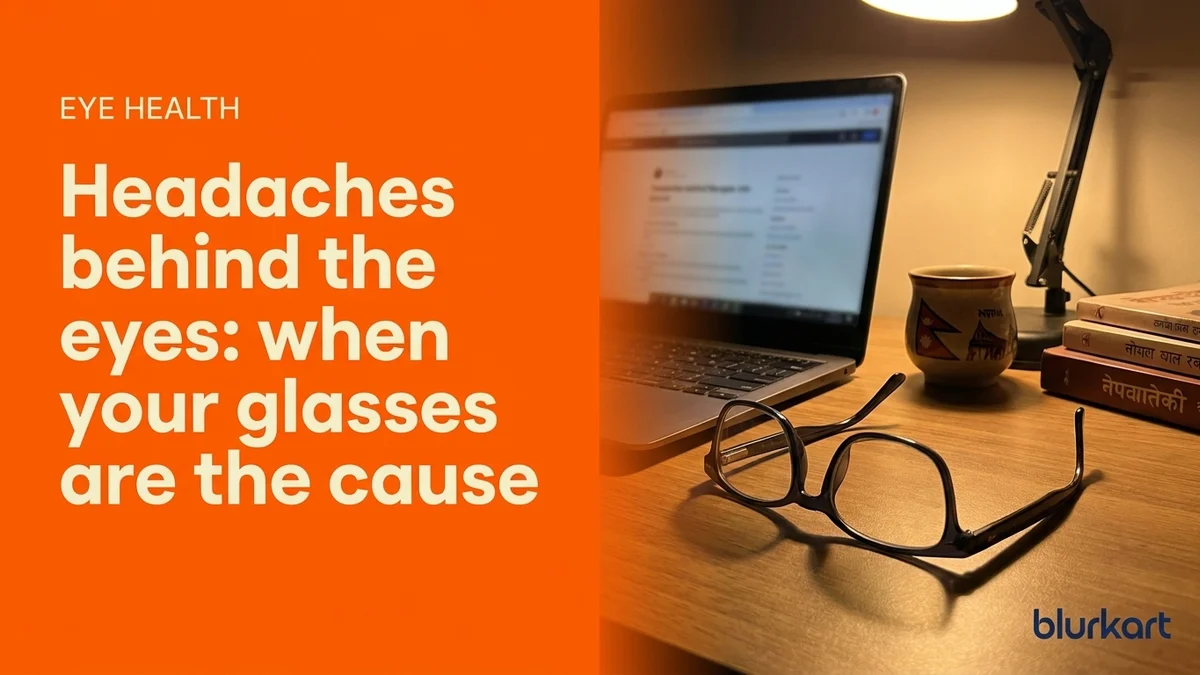
Headaches behind the eyes: when your glasses are the cause
An old prescription, a wrong pupillary distance or temples that squeeze. Three glasses problems that cause the dull ache behind the eyes, a five-minute self-check, and when to get tested.
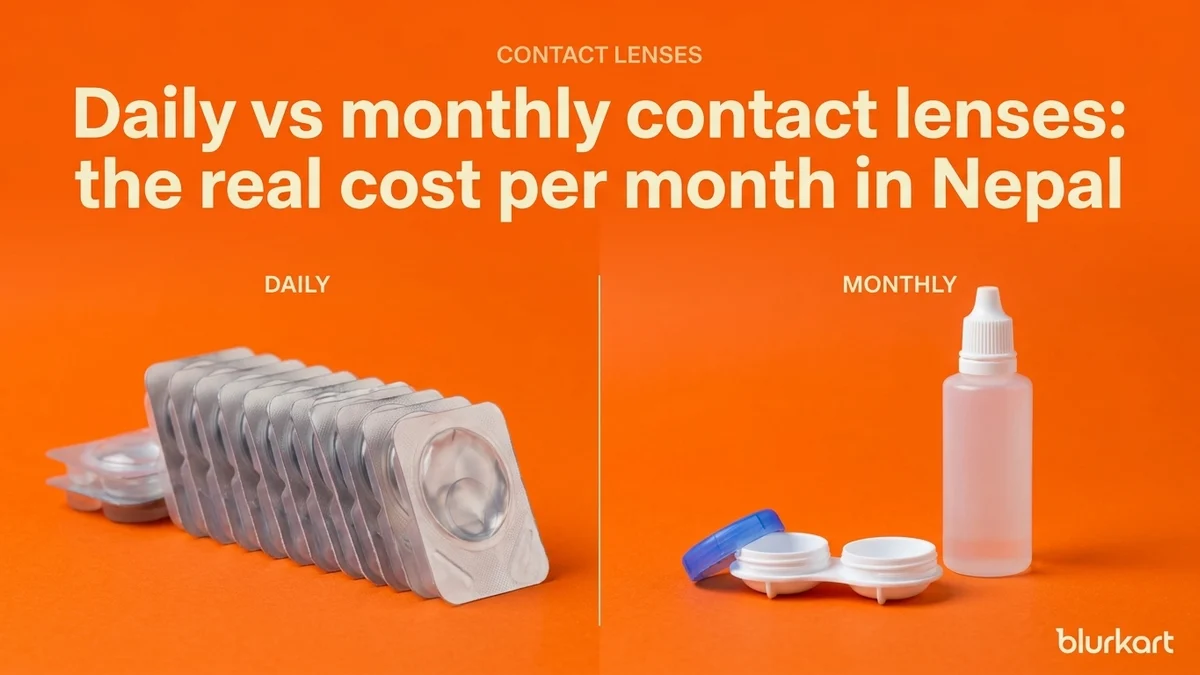
Daily vs monthly contact lenses: the real cost per month in Nepal
Monthlies look cheaper on the shelf. Add the solution and the case and the gap shrinks. Here is the month-by-month maths with Blurkart prices, and who should pay more for dailies.
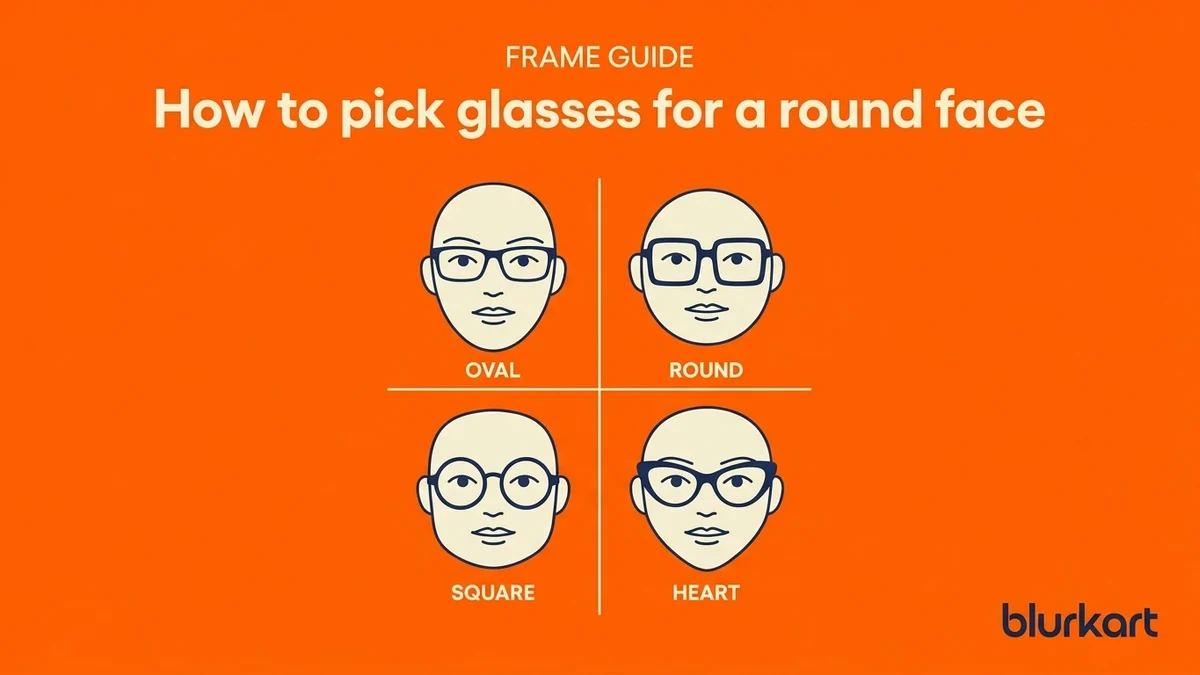
How to pick glasses for a round face
Measure two things, pick from three shapes, avoid three others. A practical guide for round faces, with the Blurkart frames that fit and their prices.
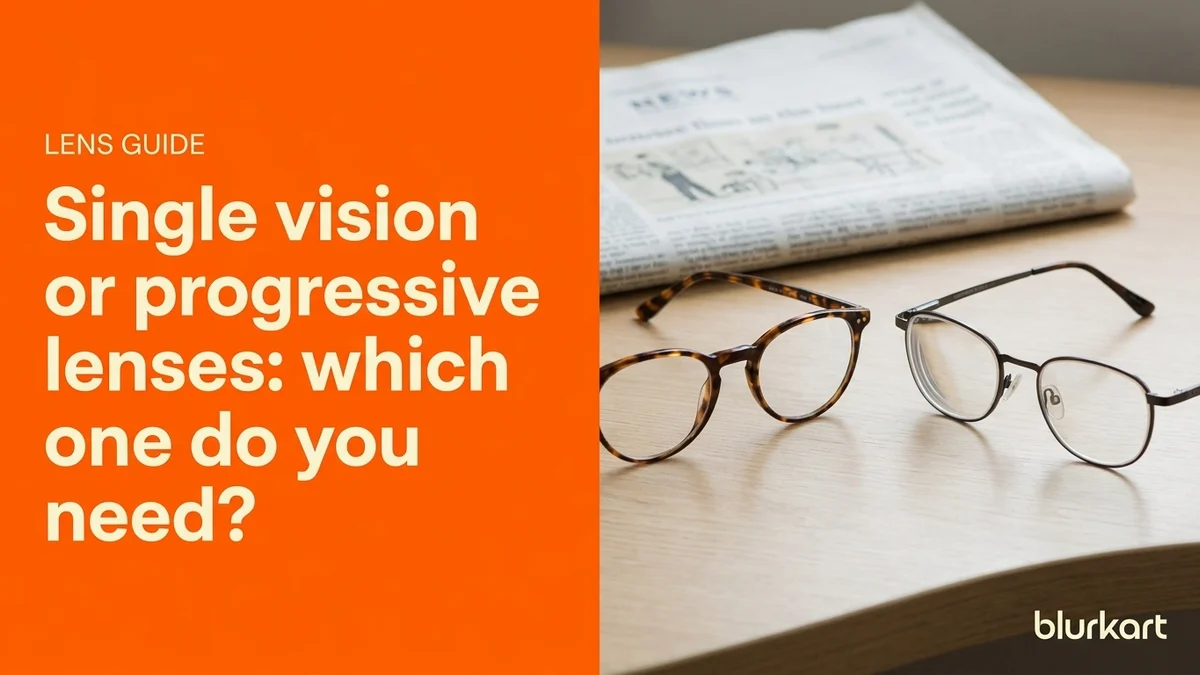
Single vision or progressive lenses: which one do you need?
Under 40 with one blurry distance? Single vision. Over 40 and holding the phone at arm's length? Progressive. The full decision, with Blurkart lens prices from NPR 750 to NPR 5,500.
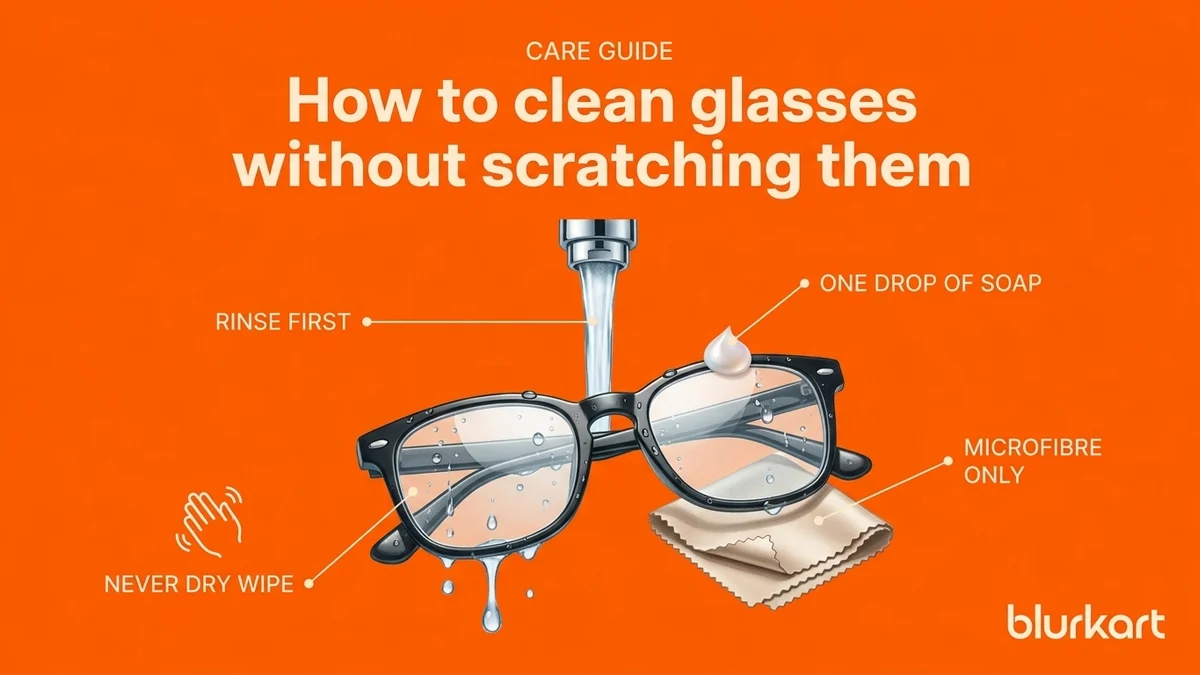
How to clean glasses without scratching them
Kathmandu dust plus a shirt hem is how most lenses get ruined. The safe method takes 30 seconds and needs only tap water, a drop of soap and a clean microfibre cloth.
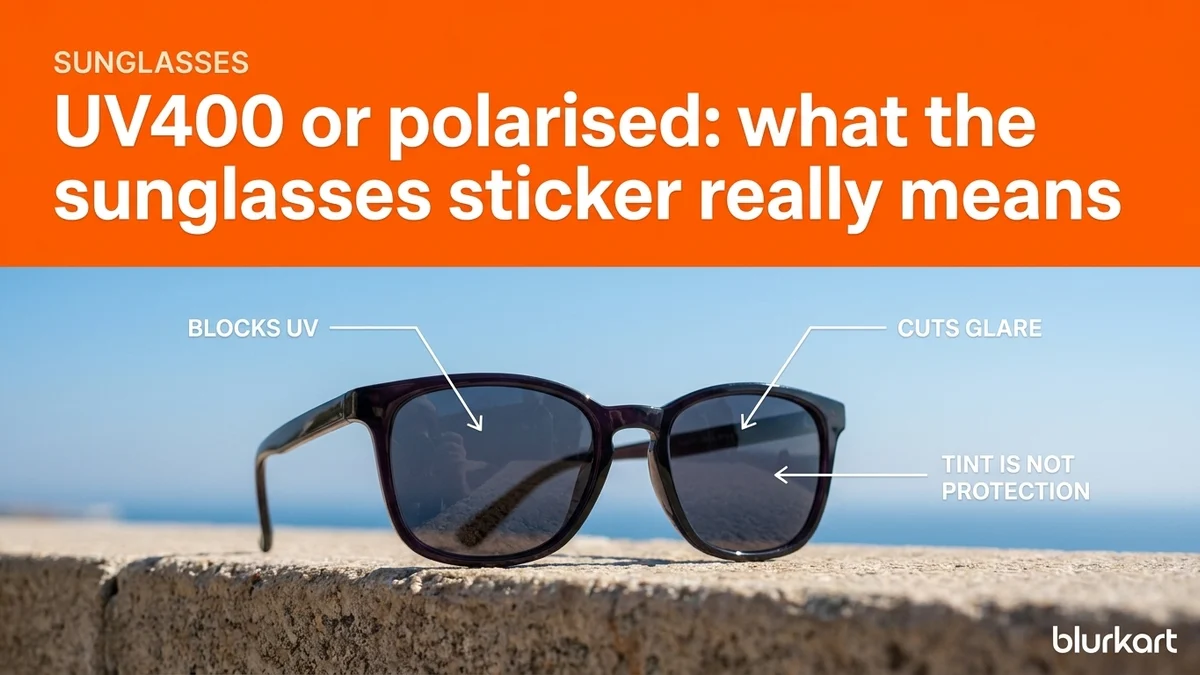
UV400 or polarised: what the sunglasses sticker really means
UV protection and glare cutting are two different jobs, and a sticker can promise one without the other. Here is how to tell what a lens actually does before you pay for it.
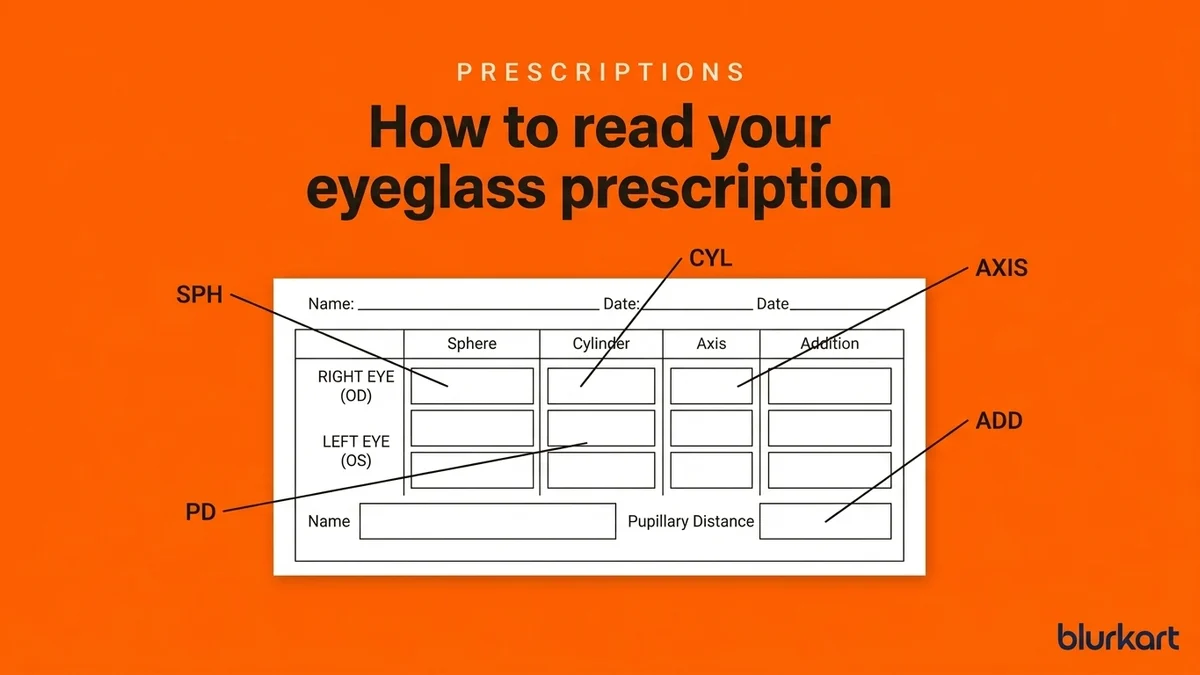
How to read your eyeglass prescription
SPH, CYL, AXIS, ADD, PD. Your prescription slip is six numbers and two eyes. Here is what each one means and what it changes in the lens we make for you.
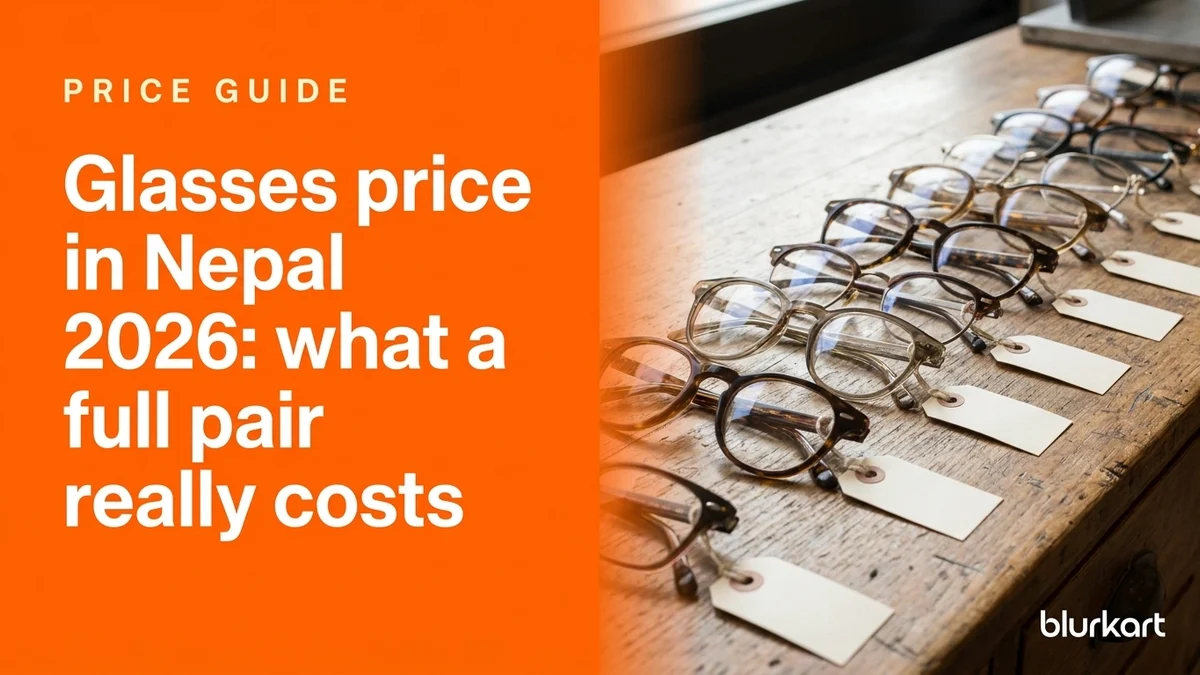
Glasses price in Nepal 2026: what a full pair really costs
A frame, a lens and a coating each have their own price. Here is what a complete pair costs at Blurkart, from a NPR 999 frame with basic lenses to a premium progressive.
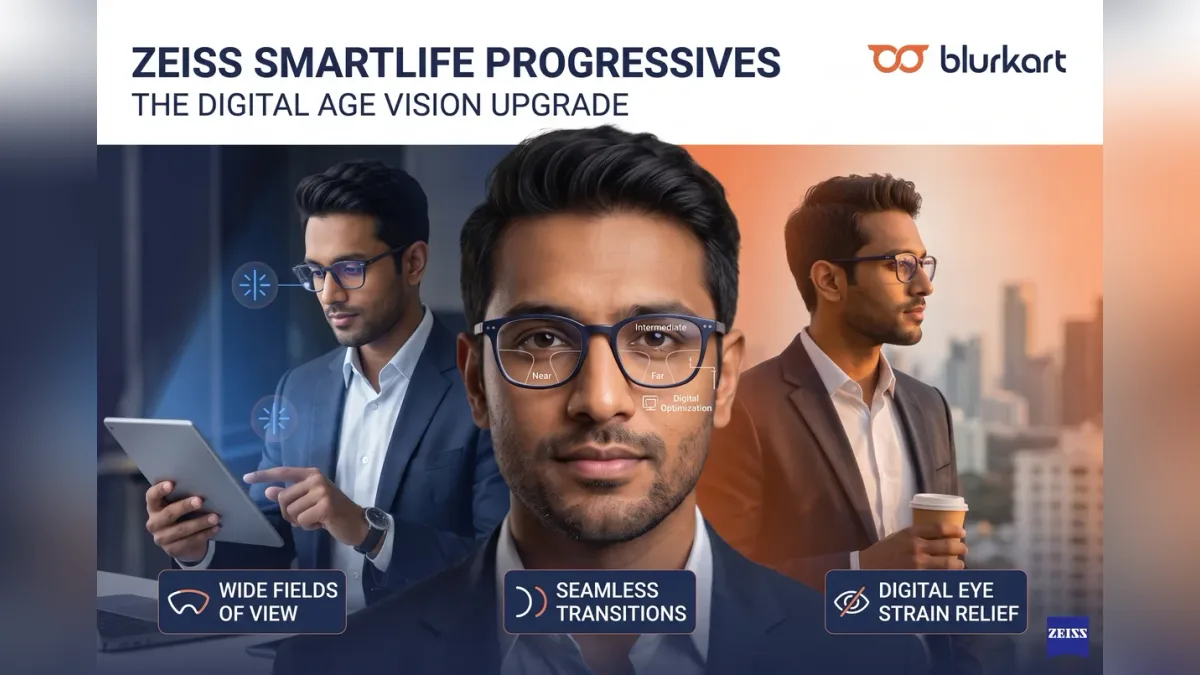
ZEISS Progressive Lenses: The Digital Age Vision Upgrade
Struggling to switch focus between your smartphone, your car's dashboard, and the world ahead? Discover how ZEISS SmartLife Progressive lenses deliver seamless, ultra-wide vision designed for your fast-paced, connected lifestyle.
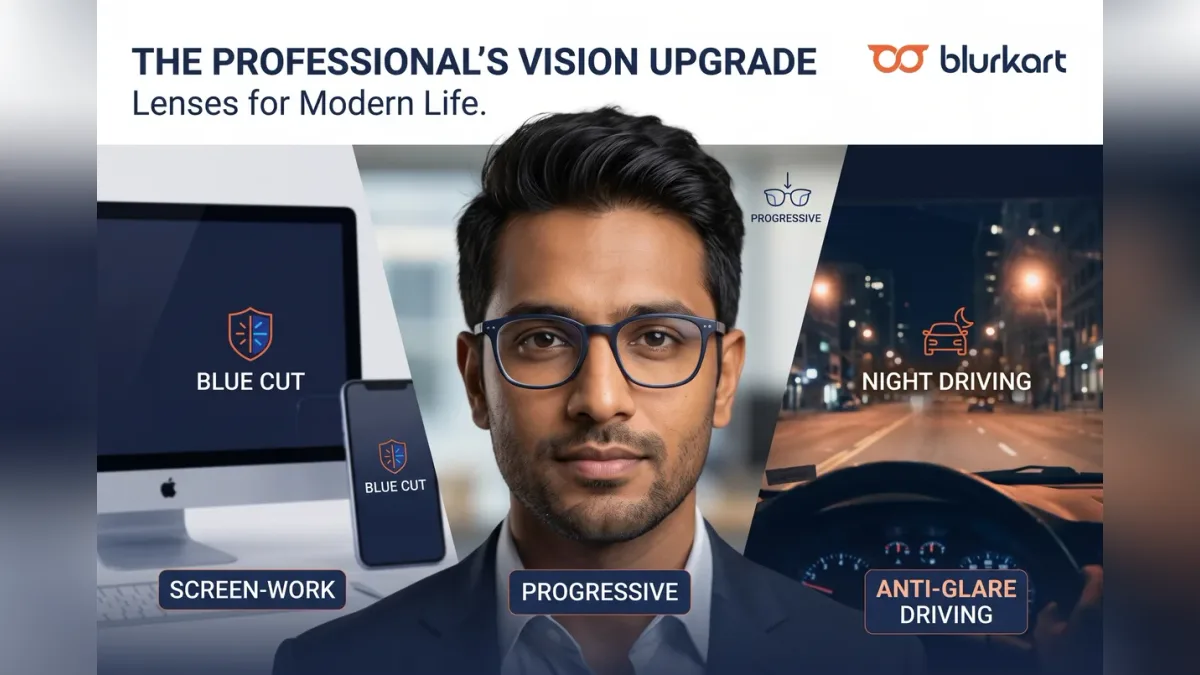
Prescription Lenses in Nepal: Blue Cut, Progressive and Driving
Straining at screens or struggling with night driving? Discover how progressive lenses, blue light filters, and regular eye checkups keep your vision sharp and your eyes comfortable.
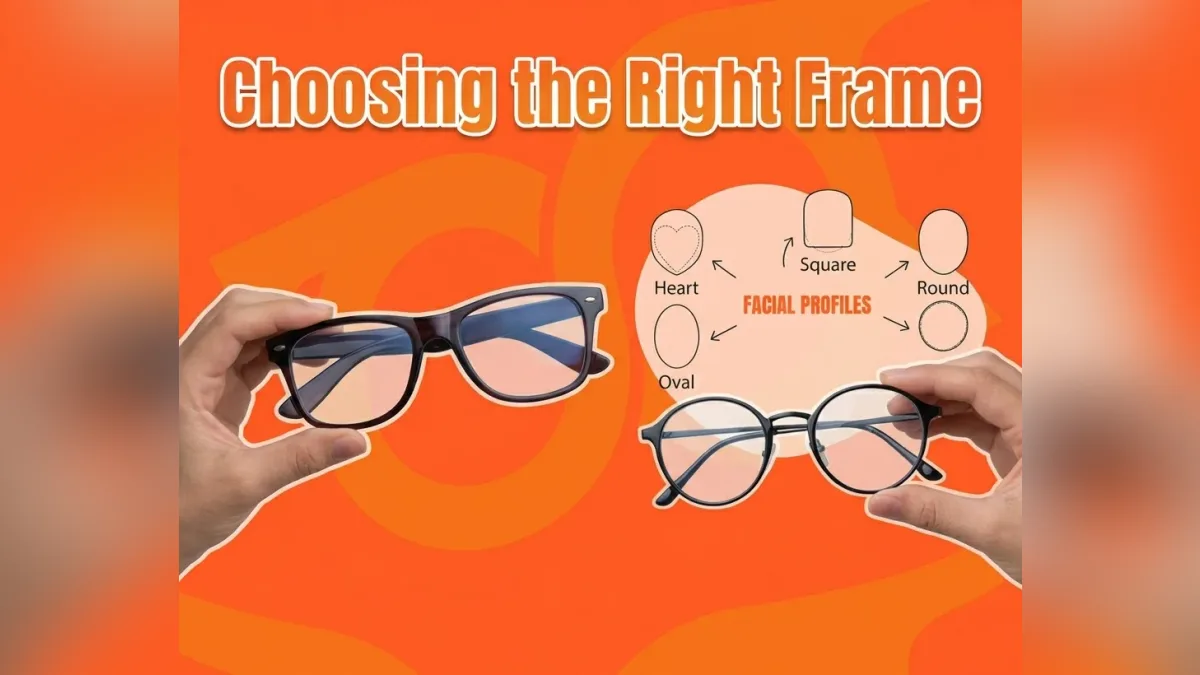
How to Choose the Right Frame Shape for Your Face
Not all frames work for every face. Here's the definitive guide to finding your perfect match — whether you're oval, round, square, or heart-shaped.
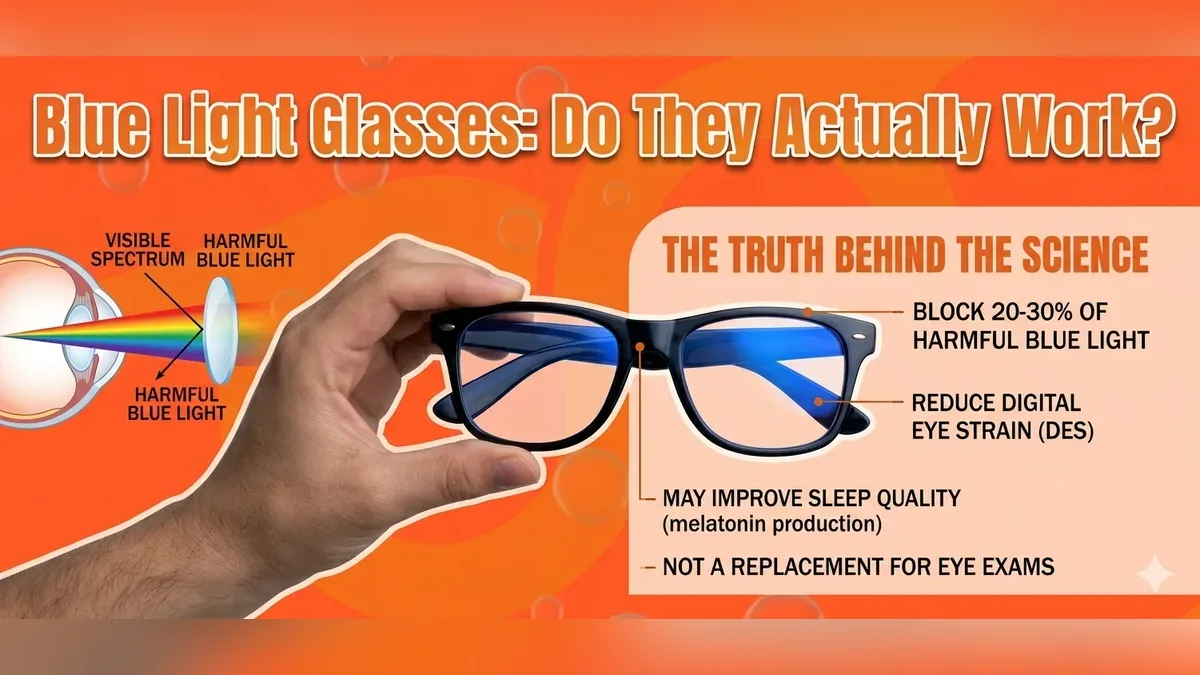
Blue Light Glasses: Do They Actually Work?
Millions of people wear blue light blocking glasses, but is there real science behind them? We break down what the research actually says.
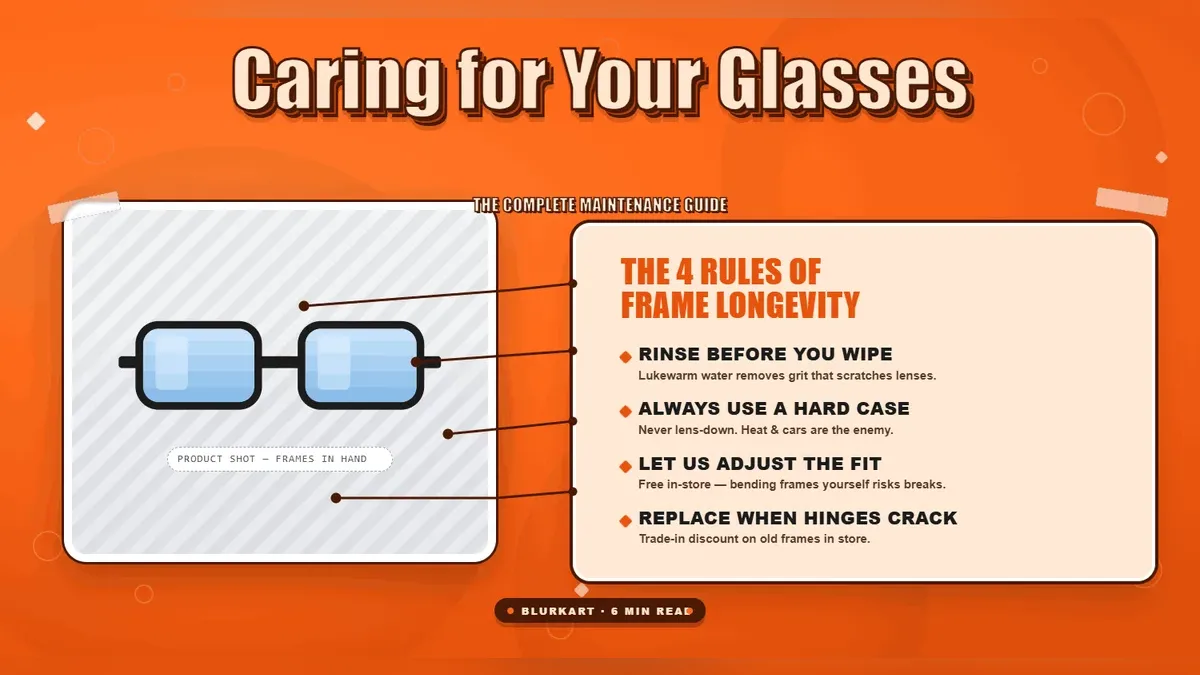
Caring for Your Glasses: The Complete Maintenance Guide
Your frames are an investment. Here's exactly how to clean, store, and maintain them so they last for years — and what mistakes to avoid.
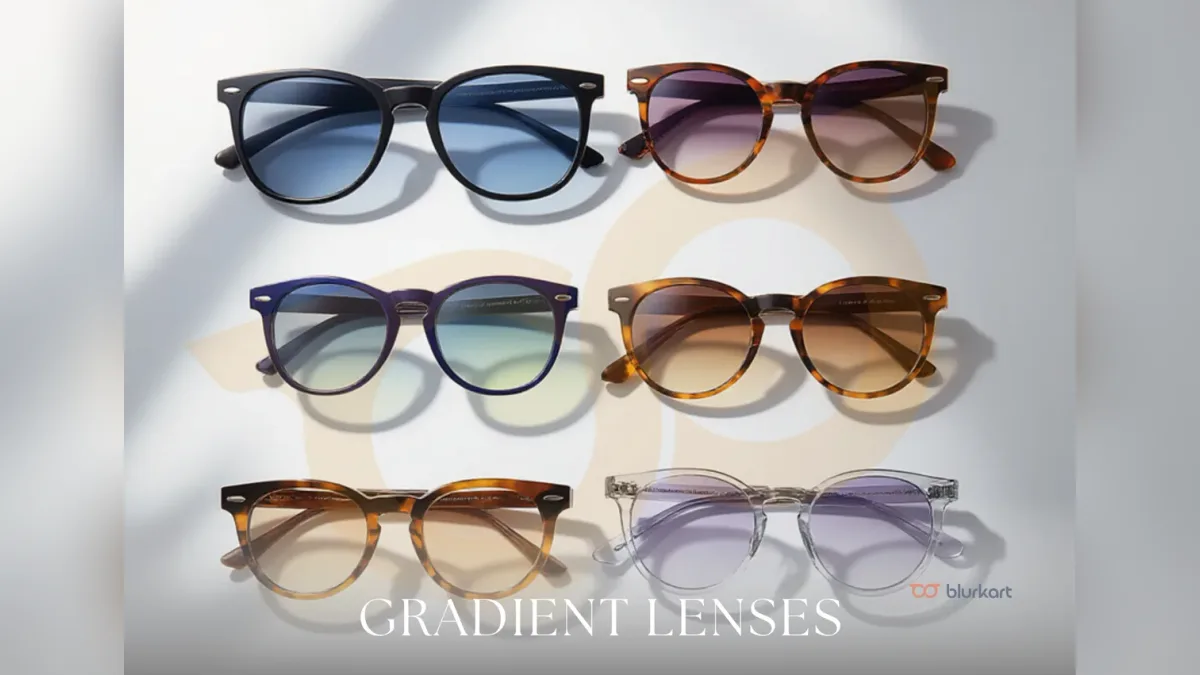
Gradient Lenses: Add Color to Your Everyday Style
Gradient lenses are changing how fashion lovers think about eyewear. These stylish shades fade from dark to light, giving you a fresh way to express your personality while protecting your eyes from bright sunlight. This guide is perfect for anyone wanting to upgrade their accessory game from st…
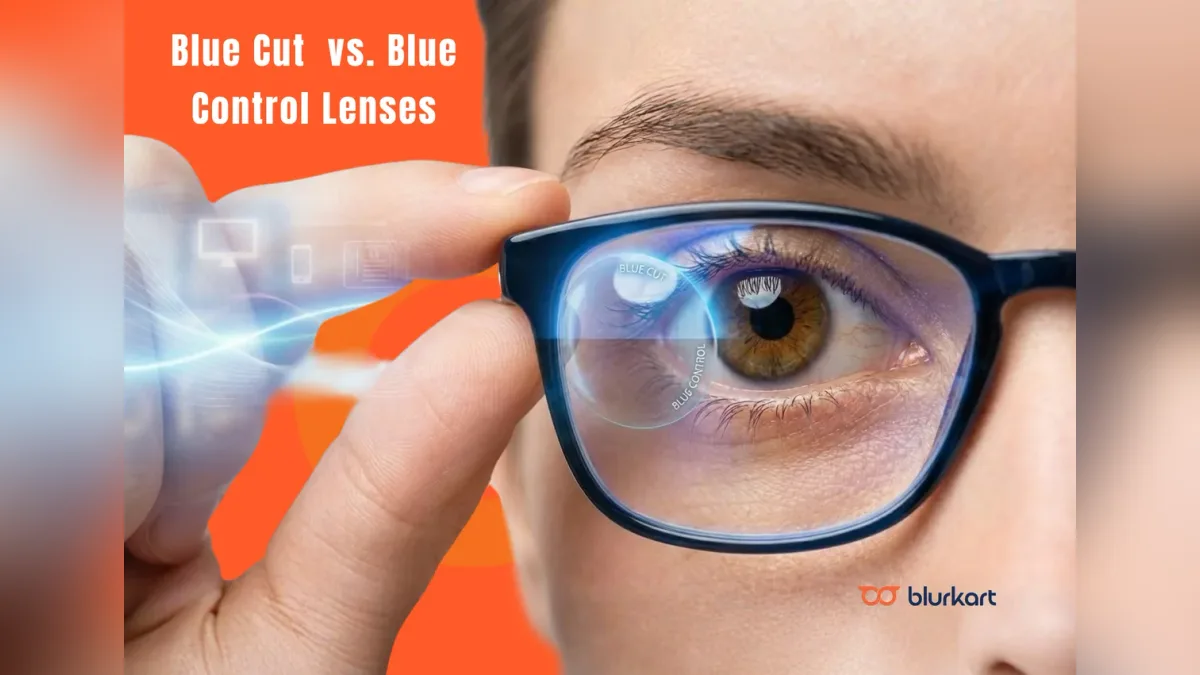
Blue Cut Lenses vs. Blue Control Lenses: Which One Should You Choose?
As digital screen use continues to rise, more people are considering lenses that reduce blue light exposure. Two popular options are Blue Cut lenses and Blue Control lenses but what sets them apart, and how do you choose the right one for your lifestyle? In this guide, we'll break down the scie…
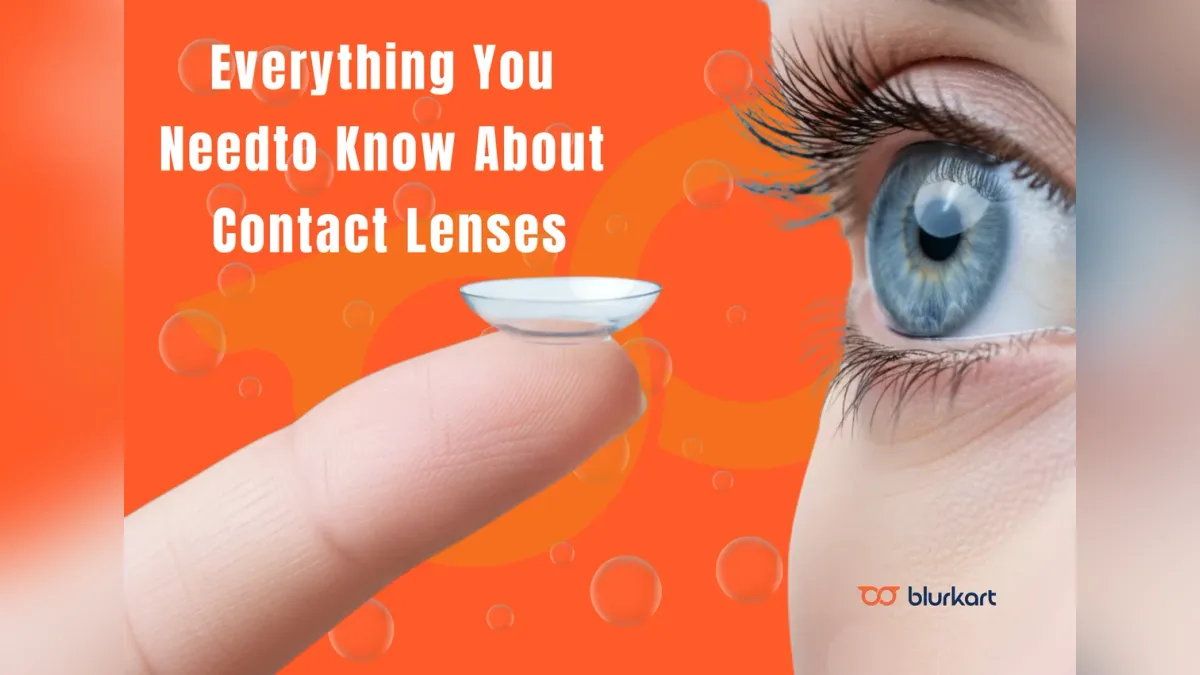
Contact Lenses in Nepal: Everything You Need to Know
Contact lenses are not merely a fashion statement or an alternative to glasses they are very specific medical equipment which are meant to correct vision, enhance comfort, and meet the needs of people who have active lifestyles. They can be of benefit to the user as it can provide them with a b…
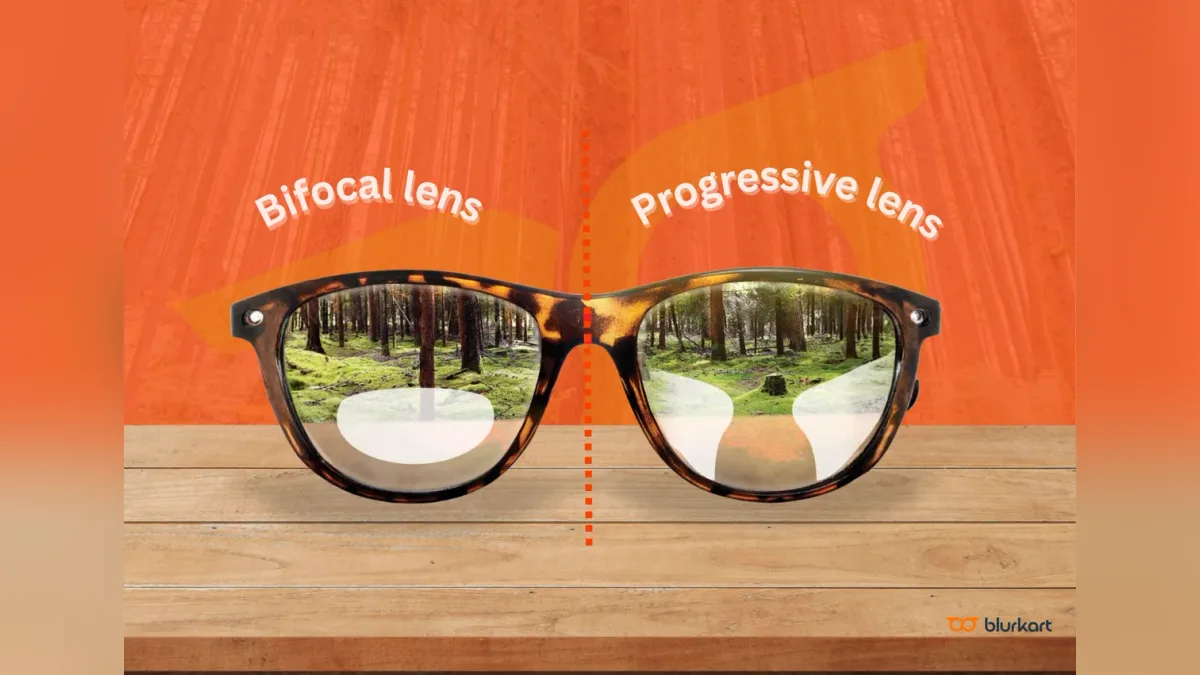
What Are Progressive Lenses? A Complete Guide
In the case of eyewear, comfort and clarity are two inseparable concepts. To most individuals the possibility to use various pairs of spectacles to read, use a computer and see things at a distance is inconveniencing and frustrating. This is where the concept of the progressive lenses enters in…
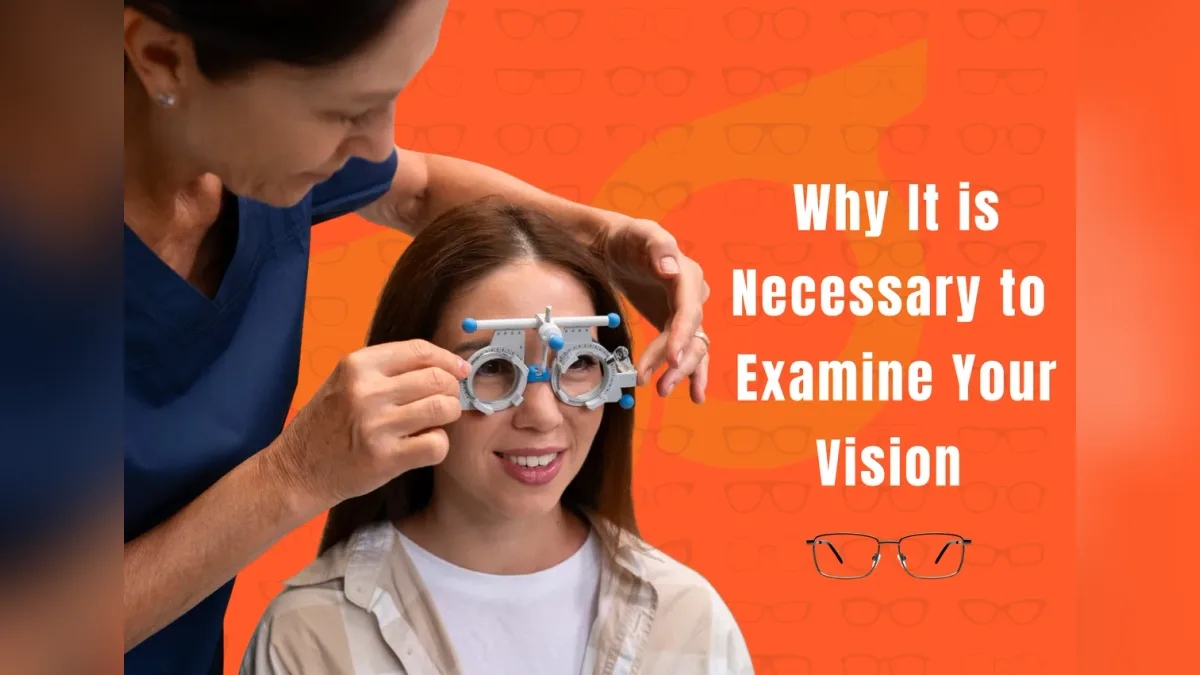
Why an Eye Checkup in Nepal Matters
In the modern world with its screens and hectic schedules makes the eyes always on the alert, whether it is sitting and working on the laptops, scrolling on the cell phones or riding along the sunny roads in Nepal. Health is another area of health that is not taken into consideration until some…
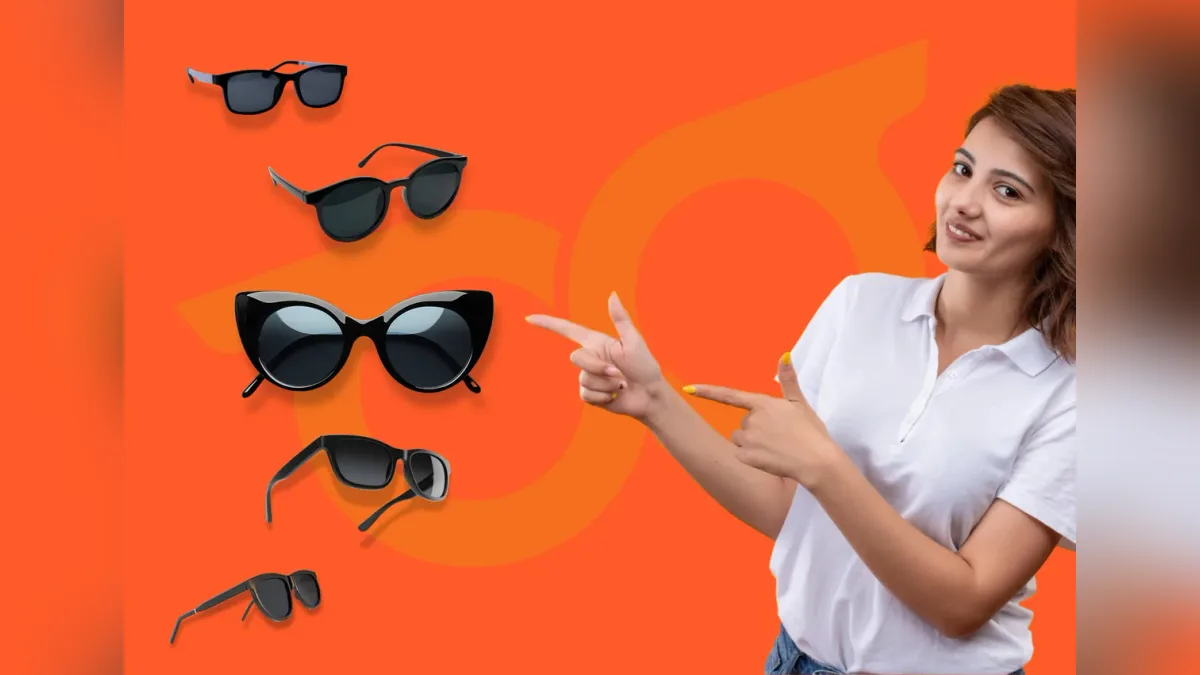
A Guide to Stylish Eyewear in Nepal
In the new busy world, glasses are no longer an instrument and use to correct vision. They are now a fashion accessory, a personal statement and an everyday necessity merging style with a purpose. Reading, working, educating or just checking yourself out: the correct pair of specs will help you…
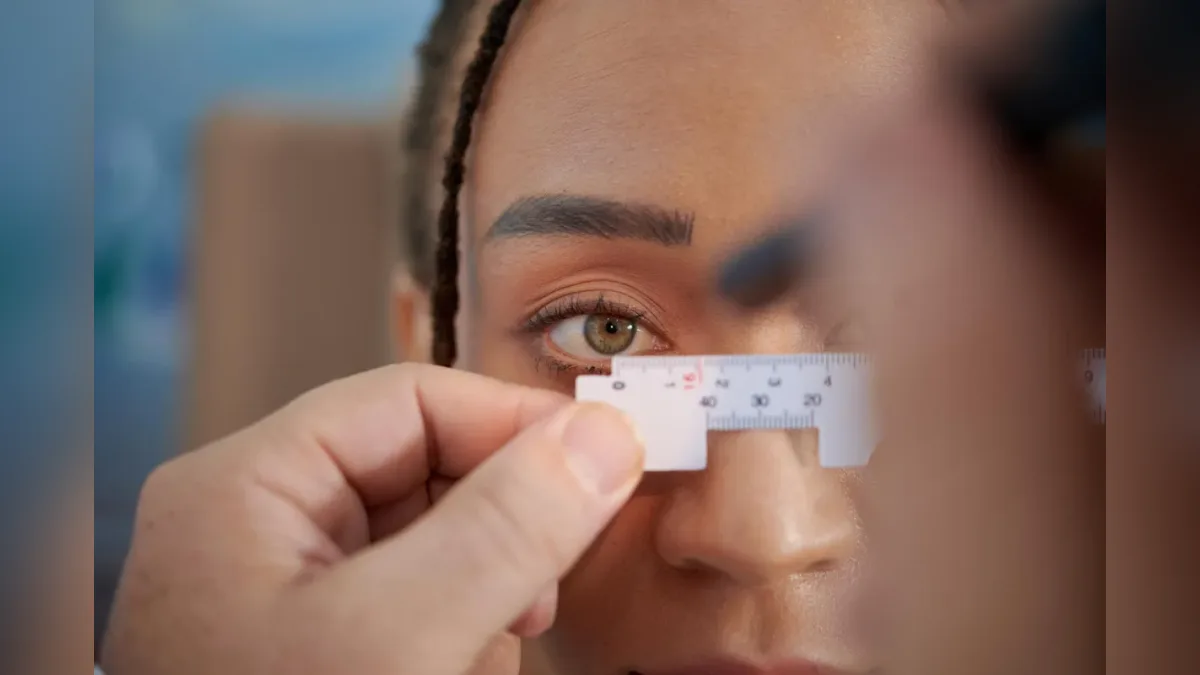
What is Pupillary distance and how to measure it at home
Pupillary Distance (PD) is the distance between the centers of your pupils, measured in millimeters. This measurement is crucial when ordering prescription glasses online, because it ensures that the optical center of your lenses aligns perfectly with your eyes. PD is essential for: Clear visio…

Eyewear Shop in Lalitpur: Why Blurkart Exists
At Blurkart, we believe that clear, comfortable vision should be accessible to everyone. Nestled in Pulchowk, Lalitpur, just steps beyond Labim Mall, Blurkart has earned its reputation as a trusted name in eye care, providing top-quality eyewear grounded in expert service and affordability A Le…
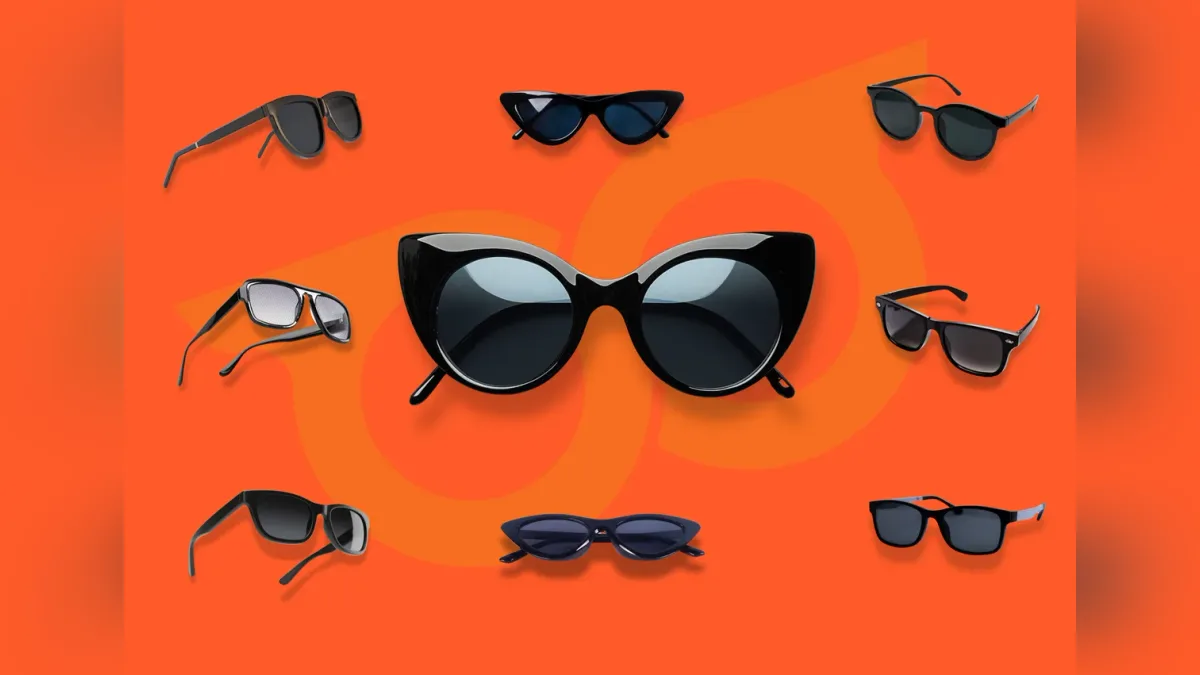
Sunglasses in Nepal: Shades That Speak for You
When the sun is out, your shades should do more than just block the glare they should tell the world who you are. At Blurkart, we believe that sunglasses are not just eye protection; they're a lifestyle accessory. They're the final touch to your outfit, the layer of confidence you wear on a wee…

Why Blurkart? A Clear Vision from a Blurry Past
As a young boy, I struggled to see clearly. The whiteboard was blurry, faces were hazy, and I often felt left behind in class. But I didn't complain, I thought it was normal. Then one day, during a free eye camp, I received my first pair of glasses. And everything changed. The moment I saw the …