
When Anti-Reflective Coatings Peel: Causes, Warranty and Prevention
Anti-reflective coatings peel mainly from heat, harsh cleaning, and age. Prevent it by rinsing before wiping, using a microfibre cloth and lens spray, avoiding hot cars and hot water, and never using tissue or clothing. A good coating warranty covers premature peeling, so ask about it before buying.
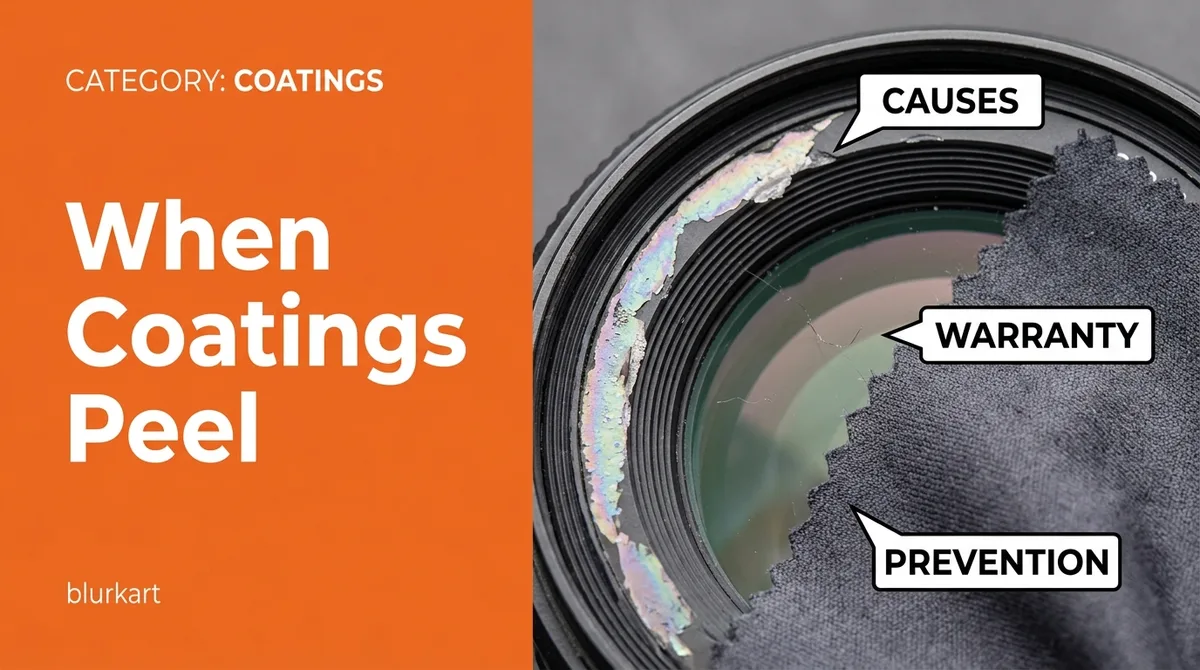
From crystal clear to permanently smeary
Anti-reflective coatings usually craze, crack or peel because of heat, harsh cleaning or simple age, and once a coating fails it cannot be repaired: the fix is new lenses. A fresh anti-reflective coating makes lenses look almost invisible. A failed one leaves a hazy, smeary film you can never clean away. Knowing the causes, and how to prevent them, saves you from replacing lenses before their time.
Why AR coatings peel
Heat
Heat is the big enemy. A dashboard in the sun, a hot wash, or steam can stress the thin coating layers until they craze. In Nepal's strong sun, a car left in the open gets hot enough to matter.
Harsh cleaning
Dry-wiping with a tissue, a shirt or a rough cloth drags grit across the lens and scratches the coating. Household cleaners and alcohol-based sprays can chemically attack it. Our guide on how to clean glasses without scratching them shows the safe method.
Age and wear
Even with care, coatings have a lifespan. Daily cleaning slowly wears them, and after a few years some crazing is normal. If you are hard on your glasses, a tougher coating such as Essilor Crizal Rock 1.56 single vision lenses (NPR 7,200 a pair) is designed to resist scratches better than a basic coating.
How to make a coating last
| Do | Avoid |
|---|---|
| Rinse before wiping | Dry-wiping with tissue or cloth |
| Use a microfibre cloth | Using your shirt or a napkin |
| Use proper lens spray | Household or glass cleaners |
| Store in a case | Leaving lenses face-down |
| Keep away from heat | Hot dashboards and hot water |
The single best habit: rinse first, then wipe. Most coating scratches come from grinding invisible grit into the lens with a dry cloth.
Why it cannot be fixed
An AR coating is bonded to the lens as microscopic layers. Once those layers lift or craze, there is no way to re-bond them or polish them off cleanly. The honest answer, when a coating has failed, is new lenses. This is exactly why prevention and warranty are worth your attention before you buy.
What to ask about warranty
- What is covered: does it include premature peeling or crazing?
- How long: the warranty period for the coating specifically.
- What voids it: clarify what counts as abuse versus a fair claim.
- The process: how a claim is handled and how long a replacement takes.
For how coverage works at Blurkart, see glasses warranty and repairs: what is covered.
Buying coated lenses in Nepal
A quality coating with a clear warranty is worth more than a cheap one that crazes within a year. Before you pay, ask what the coating warranty covers and for how long, then commit to the simple care habits above. Rinse before wiping, keep your glasses out of hot cars, store them in a case, and a good anti-reflective coating will stay clear for years rather than months.
Signs your coating is starting to go
- A patchy, oily look that will not clean away.
- Fine cracks or a crazed, cobweb pattern in bright light.
- Hazy vision or more glare than when the lenses were new.
- Reflections that look blotchy rather than an even sheen.
Catching these early will not save the coating, but it tells you it is time to plan new lenses before the haze gets worse.
Re-coat or replace?
People often ask whether a worn coating can simply be re-applied. In practice, stripping and re-coating an existing lens is rarely offered or worthwhile, and the result is less reliable than a fresh lens. The usual answer is new lenses, which is a good moment to review whether your prescription has changed and whether a better coating with a solid warranty is worth it this time. Treat coating failure as a prompt to upgrade sensibly rather than patch.
Shop the lenses mentioned in this guide
- Essilor Crizal Easy Pro 1.50 Blue UV Capture, single vision (pair): an everyday AR coating for a straightforward replacement
- Essilor Crizal Rock 1.56, clear or Blue UV Capture (pair): a tougher, scratch-resistant coating for hard-wearing lenses
- Essilor Crizal Prevencia 1.56 Light Scan, single vision (pair): a premium coating for screen-heavy days
- ZEISS ClearView 1.56 UVProtect with DuraVision Platinum UV (pair): a lens with ZEISS DuraVision Platinum coating
Keep reading
- Why Lenses Reflect Green, Blue or Purple: AR Coating Colours
- How to clean glasses without scratching them
- Scratched lenses: can they be repaired?
- Glasses warranty and repairs: what is covered
Not sure which lens suits you? Book a free eye test at our Pulchowk or Boudha branch.
Frequently asked
- Why is my anti-reflective coating cracking or peeling?
- The usual causes are heat (like a hot car dashboard), harsh cleaning with tissues, clothing or household chemicals, and simple age. These stress the thin coating layers until they craze or lift, leaving a smeary, cloudy look.
- Can a peeling AR coating be repaired?
- Not really. Once a coating crazes or peels, it cannot be re-bonded. The practical fix is new lenses. That is why prevention, and a good warranty, matter so much.
- How do I clean coated lenses safely?
- Rinse with water first to float off grit, apply a proper lens spray, and wipe gently with a clean microfibre cloth. Never dry-wipe, and never use tissue, your shirt, or household cleaners, which scratch or attack the coating.
- Does heat really damage AR coatings?
- Yes. Leaving glasses on a hot dashboard or using very hot water can stress the coating until it crazes. Keep lenses away from strong, direct heat to make them last.
- What should a lens coating warranty cover?
- A good warranty covers premature peeling or crazing of the coating within a stated period, usually when it is not caused by obvious abuse. Ask exactly what is covered and for how long before you buy.