
Gradient Lenses: Add Color to Your Everyday Style
Gradient lenses are changing how fashion lovers think about eyewear. These stylish shades fade from dark to light, giving you a fresh way to express your personality while protecting your eyes from bright sunlight.
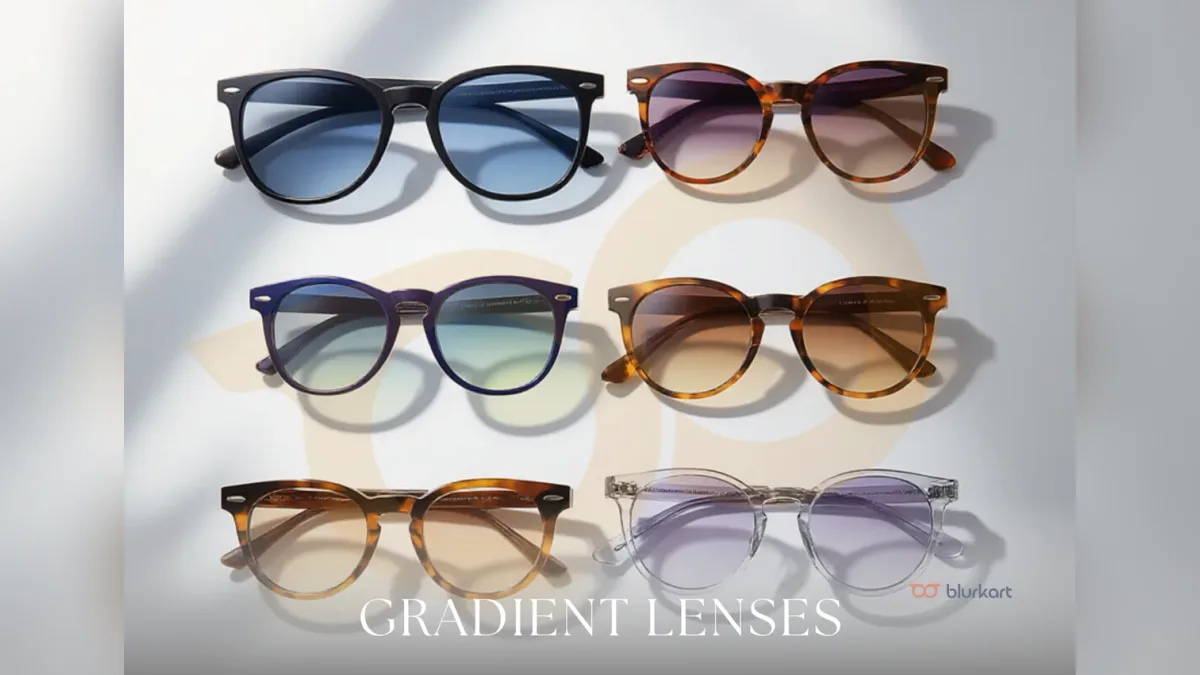
Gradient lenses add color to your everyday style without the flatness of a single solid tint. Gradient lenses are changing how fashion lovers think about eyewear. These stylish shades fade from dark to light, giving you a fresh way to express your personality while protecting your eyes from bright sunlight.
This guide is perfect for anyone wanting to upgrade their accessory game from style beginners exploring new looks to fashion enthusiasts ready to experiment with bold colors.
You'll discover what makes gradient lenses special and how they can instantly lift your outfits. If you want to know the most popular color options that work with different styles read this.
How gradient lenses add color without a flat tint
Gradient lenses feature a color transition that gradually fades from dark to light, creating a distinctive look that sets them apart from traditional solid-tinted sunglasses. The darkest portion typically sits at the top of the lens, providing maximum protection from overhead sunlight, while the bottom area remains lighter or completely clear. This design offers practical benefits since most UV exposure comes from above, allowing you to see clearly when reading or looking at your phone without removing your sunglasses.
Regular sunglasses maintain consistent tinting across the entire lens surface, which can sometimes feel overwhelming or create visibility challenges in certain lighting conditions. Gradient lenses solve this problem by adapting to different light sources naturally. The technology behind gradient lenses involves specialized manufacturing processes that create smooth color transitions, ensuring there are no harsh lines or abrupt changes in tint density.
Functional and Fashion Benefits Combined
Gradient lenses deliver both style and substance in ways that standard sunglasses simply can't match. From a functional standpoint, they reduce eye strain more effectively by allowing your eyes to adjust naturally to varying light conditions throughout the day. The lighter bottom portion means you won't struggle to read menus, text messages, or see dashboard displays clearly while driving.
Fashion-wise, gradient lenses add sophistication and visual interest to any outfit. They create depth and dimension around your face, drawing attention to your eyes in a flattering way. The color transition acts like makeup, providing subtle enhancement that complements your natural features. Many celebrities and fashion influencers choose gradient lenses specifically because they photograph beautifully, creating striking visual effects in photos while maintaining an effortless, polished appearance.
How Color Transitions Create Visual Appeal
The magic of gradient lenses lies in their ability to create visual movement and depth through color transitions. Unlike flat, single-tone lenses that can appear static, gradients introduce a dynamic element that catches and reflects light differently throughout the lens surface. This creates an almost three-dimensional effect that adds richness and complexity to your overall look.
Color psychology plays a significant role in how gradient lenses impact your appearance. Warm gradient tones like amber, rose, or brown create an inviting, approachable vibe, while cooler gradients in blue, purple, or gray project sophistication and mystery. The way colors blend and transition can either soften harsh facial features or add definition where needed.
The gradient effect also works as a natural frame for your face, similar to how makeup artists use contouring techniques. Darker top portions can create the illusion of a more defined brow area, while lighter bottom sections keep the overall look from becoming too heavy or dramatic. This balancing act makes gradient lenses incredibly flattering across different face shapes and personal styles.
The Versatility Factor for Multiple Occasions
Gradient lenses shine in their ability to transition smoothly between different settings and occasions. A single pair can work equally well for a casual coffee date, professional outdoor meeting, or elegant evening event. This versatility stems from their balanced approach to both sun protection and style enhancement.
During daytime activities, gradient lenses provide excellent UV protection while maintaining visual clarity for tasks like reading or using your phone. The transition from dark to light mimics natural lighting conditions, making them ideal for activities where you move between indoor and outdoor spaces frequently. For evening wear, gradient lenses add glamour without the harshness of fully dark lenses, allowing others to see your eyes while still maintaining that mysterious, stylish edge.
The adaptability extends to seasonal styling as well. Lighter gradient tones work beautifully with spring and summer wardrobes, while deeper, richer gradients complement fall and winter clothing perfectly. This seasonal flexibility makes gradient lenses a smart investment piece that works year-round, rather than limiting you to specific times or occasions.
If you are wondering about gradient lenses color option for every style consider reading this.
Gradient tints are a lens choice; the protection is separate, and what the UV400 and polarised stickers mean explains how to check for it. If you want a gradient look on a pair that is also polarised, the Navigator Round Aviator at NPR 1,800 is the easiest place to start.
When gradient lenses beat a flat tint
A gradient lens is dark at the top and fades towards clear at the bottom, and that suits driving particularly well. The top cuts the sky and the sun while the bottom stays light enough to read the dashboard without lifting the glasses.
It is also the more forgiving first tinted pair, because the pale lower half keeps them usable when you step indoors for a few minutes.
One thing a gradient does not do is protect less. The UV filter runs across the whole lens regardless of where the tint sits, so a lighter bottom half is no weaker against ultraviolet. Which colour and how dark covers choosing between grey, brown and green.
Choosing the depth of the fade
Gradients are quoted by how dark the top is. Around 70 to 80 percent at the top fading to near clear suits Kathmandu daylight and driving. A lighter 40 to 50 percent gradient is a fashion tint that looks good indoors and will not do much against midday glare.
Judge it outside rather than under shop lighting. The fade only reads properly against a bright sky, and a gradient that looks subtle indoors can be much stronger than you expected on the street.
Whatever depth you pick, check the lens carries UV400. Tint and ultraviolet filtering are separate properties, and the UV400 guide explains why a dark lens without a filter is worse than none.
Frequently asked
- What are gradient lenses?
- Lenses tinted dark at the top and clear or lighter at the bottom. They cut sky glare while letting you read a dashboard or a menu without lifting the glasses.
- Do gradient lenses block UV?
- Only if the lens carries a UV400 filter, which is separate from the tint. Every pair of sunglasses at Blurkart is UV400.
- Can I get gradient tints on prescription lenses?
- Yes. Gradient tints can be applied to prescription lenses in most frames, and we can quote it with your power.
- Gradient lens ma power halna milchha?
- Yes. We cut your prescription into a gradient tint the same way we do a clear lens. Tell us the power when you order and allow one to three working days for the fitting.