
Contact Lenses in Nepal: Everything You Need to Know
Contact lenses are medical devices, not accessories, and need a fitting rather than just a glasses prescription. Daily lenses suit occasional wearers and dusty commutes; monthly lenses cost less if you wear them most days. Hygiene, not brand, is what keeps eyes safe.
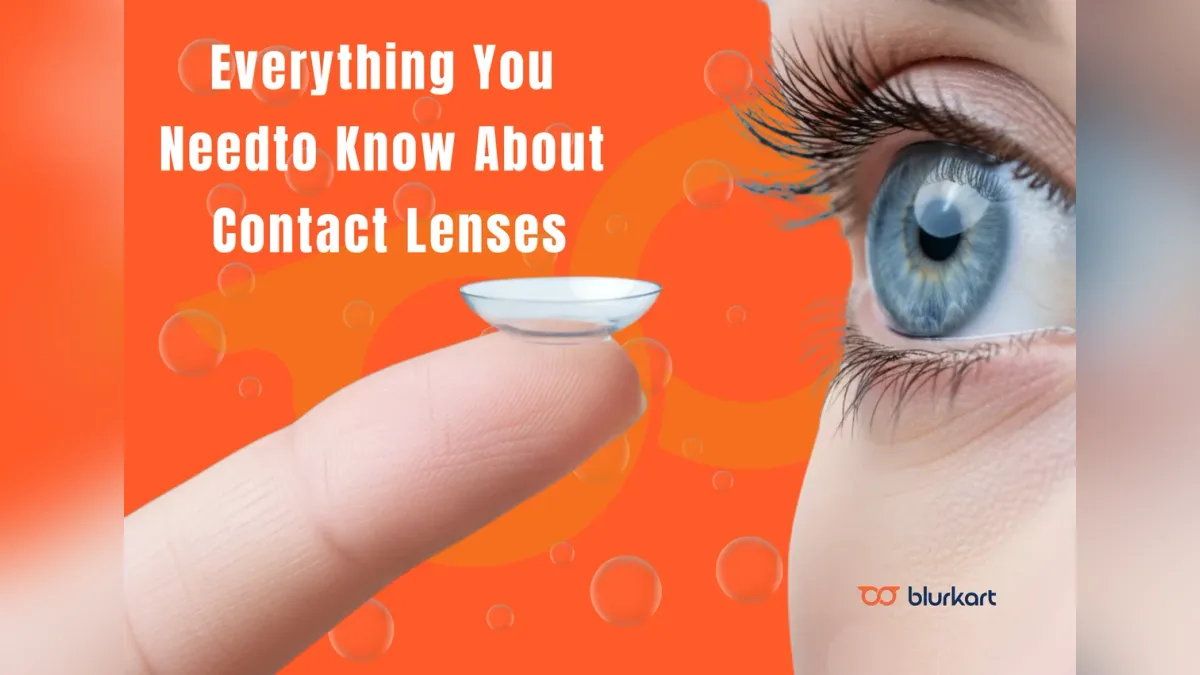
Contact lenses in Nepal are medical devices rather than accessories, and that changes how you should buy them. Contact lenses are not merely a fashion statement or an alternative to glasses they are very specific medical equipment which are meant to correct vision, enhance comfort, and meet the needs of people who have active lifestyles. They can be of benefit to the user as it can provide them with a better impression of the world around them, provide clearer vision, and free them of the frames in the cases of proper use. However, abuse may cause some discomfort or even damage to the eyes.
How Contact Lenses Work
A contact lens sits directly on the tear film covering the cornea and replaces or augments the eye’s refractive power. Because they move with your eye, they offer a more natural field of view (no frames blocking peripheral vision).
The contact lenses are medical equipment. It means that they should be fitted by an eye care expert (optometrist/ophthalmologist), prescribed, and provided with follow-up care.
Types of Contact Lenses
Contact lenses can be classified in multiple ways.
a) By Material
Soft lenses: Made from hydrogel or silicone-hydrogel materials. These are the most common and comfortable lenses. Silicone-hydrogel allows greater oxygen to pass through to the cornea, reducing hypoxia risks.
Rigid gas-permeable (RGP) lenses: More rigid but still breathable (oxygen-permeable). They often provide sharper vision, especially for astigmatism, and are more durable.
Hybrid lenses: Combine a rigid center with a soft outer skirt, intended to give crisp vision with comfort.
Scleral lenses: Large-diameter rigid lenses that vault over the cornea and rest on the sclera (white part of eye). Often used for irregular corneas or severe dry eyes.
Orthokeratology (Ortho-K): Rigid lenses worn overnight to temporarily reshape the cornea for daytime vision without lenses.
b) By Wear / Use Schedule
Daily wear: Wear during the day, remove before sleeping.
Extended wear / overnight wear: Some lenses are approved for overnight wear. But overnight wear increases risk of infection and must be prescribed carefully.
c) By Replacement Schedule
Daily disposable (1-day lenses): Each day you use a fresh pair, no cleaning or storing required.
Planned replacement: You clean and store nightly and replace on a scheduled basis.
d) Special Purpose / Cosmetic
Toric lenses: For people with astigmatism, often available in soft or rigid designs.
Colored cosmetic lenses: Change eye color or appearance. These still require precise fitting and prescription, even if vision correction is zero.
Decorative costume lenses: Often used for aesthetic or theatrical effect. These come with risks if not properly prescribed.
Advantages & Disadvantages
Advantages
- Better peripheral vision (no frame obstruction)
- No fogging or rain issues as with glasses
- More flexibility in style (can wear non-prescription sunglasses over contacts)
- Good for active / sports use
- They stay in place and move with your eyes
Disadvantages & Risks
- Require careful hygiene and maintenance
- Risk of eye infections, corneal ulcers, especially with misuse
- Possible discomfort, dryness, or irritation
- Some people may not tolerate certain lens materials
- Higher cost (especially daily disposables)
- Not everyone is suitable for overnight wear, oxygen deprivation (hypoxia) is a concern if lenses do not allow sufficient oxygen.
- Long-term use of less oxygen-permeable lenses can lead to corneal changes (e.g., neovascularization, microcysts)
Choosing contact lenses in Nepal
|
Factor |
What to Ask / Test |
Why it Matters |
|
Eye health / corneal shape |
Have an optometrist measure your cornea, tear film, ocular surface |
A lens that doesn’t fit well can damage your eye |
|
Prescription (sphere, cylinder, axis, etc.) |
Ensures proper vision correction, especially for astigmatism |
Toric, RGP, or special lenses may be needed |
|
Oxygen permeability (Dk/t) |
Higher is better for comfort and safety |
Especially important for extended wear or thicker lenses |
|
Wear schedule / replacement plan |
Daily, monthly, extended wear, etc. |
Affects convenience and hygiene risk |
|
Comfort & material |
Try different materials (silicone hydrogel, soft, etc.) |
Not all materials suit all eyes |
|
Budget & cost over time |
Daily disposables cost more per use; reusables cost in maintenance |
Total cost includes cleaning solutions and replacement schedule |
|
Lifestyle |
Sports, travel, occasional vs daily use |
Active users may prefer flexible or daily lenses |
If you are looking for a daily disposable soft lens that offers comfort and minimal upkeep, check out our latest model available at BlurKart.
Contact Lens Care & Hygiene Best Practices
- Daily Care Steps (for reusable lenses):
- Always wash and dry your hands before touching the lenses. Use mild soap and rinse well.
- Remove one lens first, apply multipurpose solution, and rub gently (typically 10, 20 seconds per side, as per manufacturer) to remove deposits.
- Rinse the lens with fresh solution. Never use tap water or saliva.
- Store lenses in a clean case filled with fresh solution. Discard any leftover solution.
- Clean and air-dry the lens case daily; replace the case every 1, 3 months.
- Follow the replacement schedule strictly (don’t overuse).
- Never “top off” solution, always use fresh solution.
Additional Tips:
Remove lenses before swimming, showering, or using hot tubs (water may harbor bacteria)
Don’t sleep in lenses unless they are specifically approved for overnight wear, and only under guidance.
Use only eye drops that are marked safe for contact lens wear (especially preservative-free).
Always replace the lens case regularly
If you experience redness, pain, blurred vision or unusual discomfort, remove lenses immediately and see an eye care professional.
Common Mistakes & Risks to Warn About
Sleeping with lenses that aren’t approved for overnight wear, raises risk of corneal infection and ulcers.
Reusing daily disposables, always dispose daily.
Using tap water or non-sterile fluids to clean or store lenses
“Topping off” solution, mixing old and new solution instead of full fresh fill
Not replacing lens case, it can become contaminated
Ignoring symptoms, irritation, redness, pain, halos, blurry vision
Overwearing lenses beyond recommended schedule
Buying cheap/non-prescription lenses from unverified sources, especially cosmetic ones, risking poor fit, low-quality material, or contamination
Frequently Asked Questions (FAQs)
Q: Can anyone wear contact lenses?
A: Most people with refractive errors (myopia, hyperopia, astigmatism) can, but suitability depends on eye health, tear film quality, and corneal shape. A professional fitting is essential.
Q: What is better, daily disposable or monthly lenses?
A: Daily disposables are more hygienic (no cleaning required), which reduces risk of deposits and infection. But cost is higher per use. Monthly lenses require care and maintenance but may be more economical long-term.
Q: Can I sleep in my contact lenses?
A: Only certain lenses approved for extended wear should be used overnight, and only under supervision. Sleeping in lenses not meant for it raises risk of serious eye infections.
Q: How long can I keep lenses in water?
A: Never store them in water. Do not wear while swimming or showering. Water may carry microorganisms.
Q: What should I do if my lens falls on the floor?
A: It’s safest to discard it (if disposable) or, if reusable, go through a full cleaning-disinfection cycle before rewearing. Don’t just rinse briefly.
Contact lenses, when properly selected and maintained, can offer freedom, comfort, and excellent vision without the limitations of frames. The key is to choose the right design, stick to rigorous hygiene practices, and always seek professional fitting and advice.
Ready to find your perfect lens? Browse our collection of contact lenses on BlurKart and explore options like daily disposables, toric lenses, or colored lenses. Each product page has full specs so you can pick what suits your eyes best.
Have questions about which lens is right for you? Contact our support team or book a consultation, because your eyes deserve nothing but the best care.
If cost is what you are weighing, we ran the numbers in daily versus monthly contact lenses, and the lens options we stock start with the iConnect Monthly six-lens pack at NPR 1,100 and the SEED 1dayPure daily pack at NPR 3,900. Whatever you wear, keep a pair of glasses that works; our guide to reading your prescription helps with that.
Frequently asked
- Can I use my glasses prescription to buy contact lenses?
- Not on its own. A contact lens sits on the eye, so it also needs a base curve and diameter from a fitting. The fitting is free at our Lalitpur showrooms.
- How long can I wear contact lenses in a day?
- Most people manage 8 to 12 hours comfortably. Start with four hours in the first week and build up. Take them out sooner on very dusty days.
- Are contact lenses safe in Kathmandu's dust?
- Yes with the right habits. Daily disposables are the safer choice for dusty commutes because a fresh lens goes in every morning.
- Contact lens lagayera aankha (आँखा) bigrincha ki?
- Not if it is fitted and cleaned properly. Infections come from hygiene mistakes rather than from lenses: topping up old solution, rinsing with tap water, sleeping in lenses not meant for it, or keeping a case past a month. Get a fitting first, because a glasses prescription alone does not give the curvature and diameter a lens needs.