
Category
Sports Sunglasses
1 product
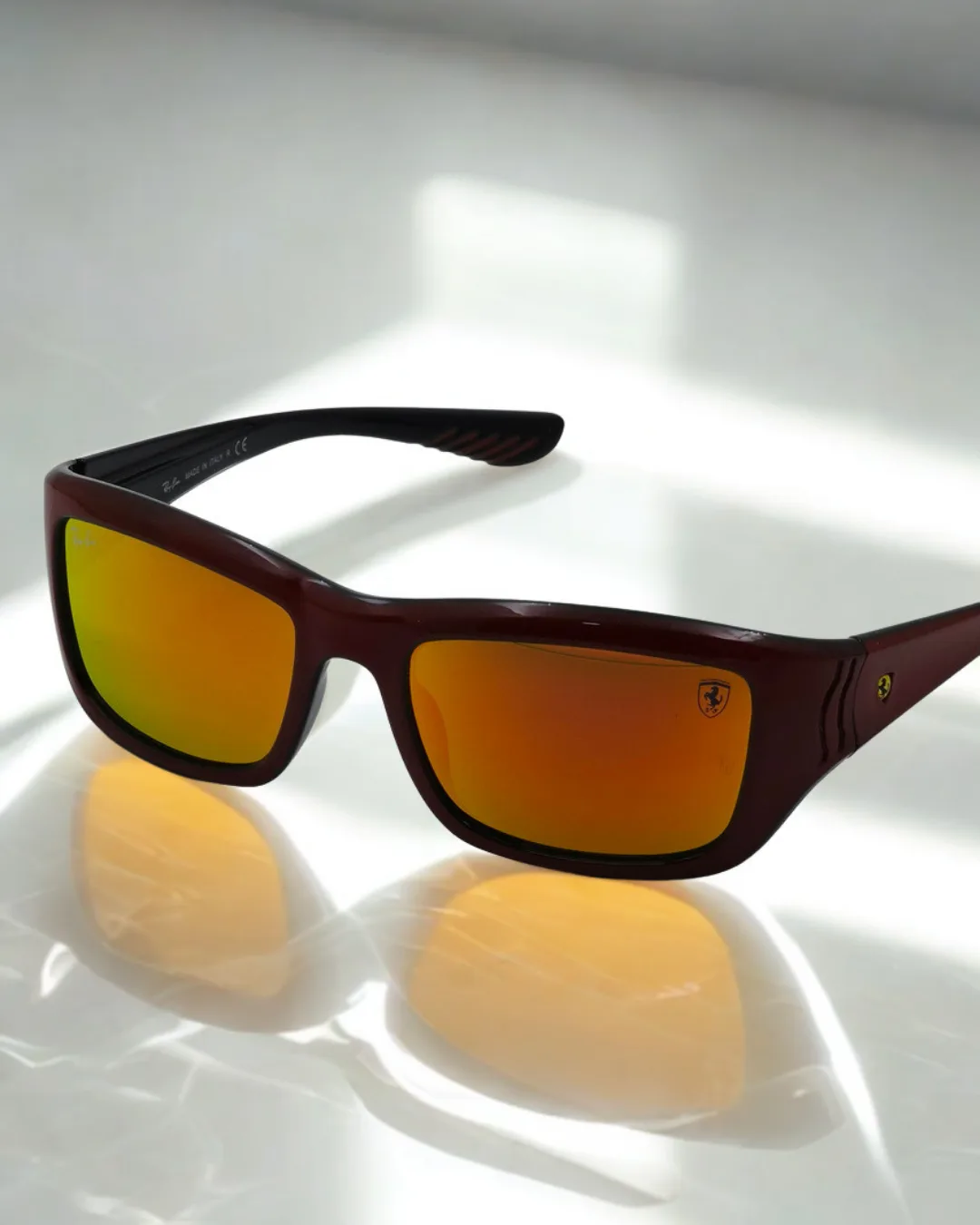
Above 3,000m, UV exposure roughly doubles every 1,000m of altitude gain - which is why every trekker and climber in Nepal needs proper eye protection, not fashion sunglasses. Blurkart's sports range features wraparound frames with full peripheral coverage, polarized lenses that kill glare off snowfields and water, and category-3 or category-4 tints for the Annapurna Circuit, EBC, Mera Peak and beyond. Frames are built from TR90 or rubberised polymer for grip during sweat, with adjustable nose pads for fit under helmets. Interchangeable-lens systems are available for mountaineers who need clear-to-dark transitions. Whether you're cycling the Valley loop, running the Kathmandu marathon, or heading to Thorong La, these are the glasses that actually hold up. 1-year warranty, NPR 90 KTM Valley delivery.
Frequently Asked Questions
What sunglasses are best for trekking in Nepal?+
For high-altitude trekking (Everest Base Camp, Annapurna Circuit, Langtang), you need Category 3 or Category 4 lenses with UV400 and polarized protection. Wraparound frames prevent light from entering around the sides. For routes above 5,000m, glacier glasses with side shields are recommended to protect against snow blindness.
Do I need special sunglasses for Everest Base Camp trek?+
Yes. At EBC altitude (5,364m), UV radiation is roughly 50% more intense than at sea level. You need polarized, UV400-rated lenses with a Category 3 or 4 tint (darkness level). Wraparound frames are essential. Blurkart stocks several models purpose-built for Himalayan conditions.
Are polarized lenses safe for cycling in Nepal?+
Polarized lenses are excellent for cycling - they eliminate horizontal glare from wet roads and reflective surfaces, improving road visibility. They are safe and widely recommended. The only exception is reading digital dashboards or LCD screens, which can appear darkened with polarized lenses.
How do I know what lens category I need for outdoor activities?+
Lens categories run from 0 (clear) to 4 (very dark). Category 1–2 suits overcast days and light indoor use. Category 3 is the standard for driving and everyday outdoors. Category 4 is for extreme conditions: high-altitude trekking, glacier travel, and intense reflected sunlight - note that Category 4 lenses are not legal for driving.